The Most Innovative Bamboo School in India
This community-built school puts happiness first.
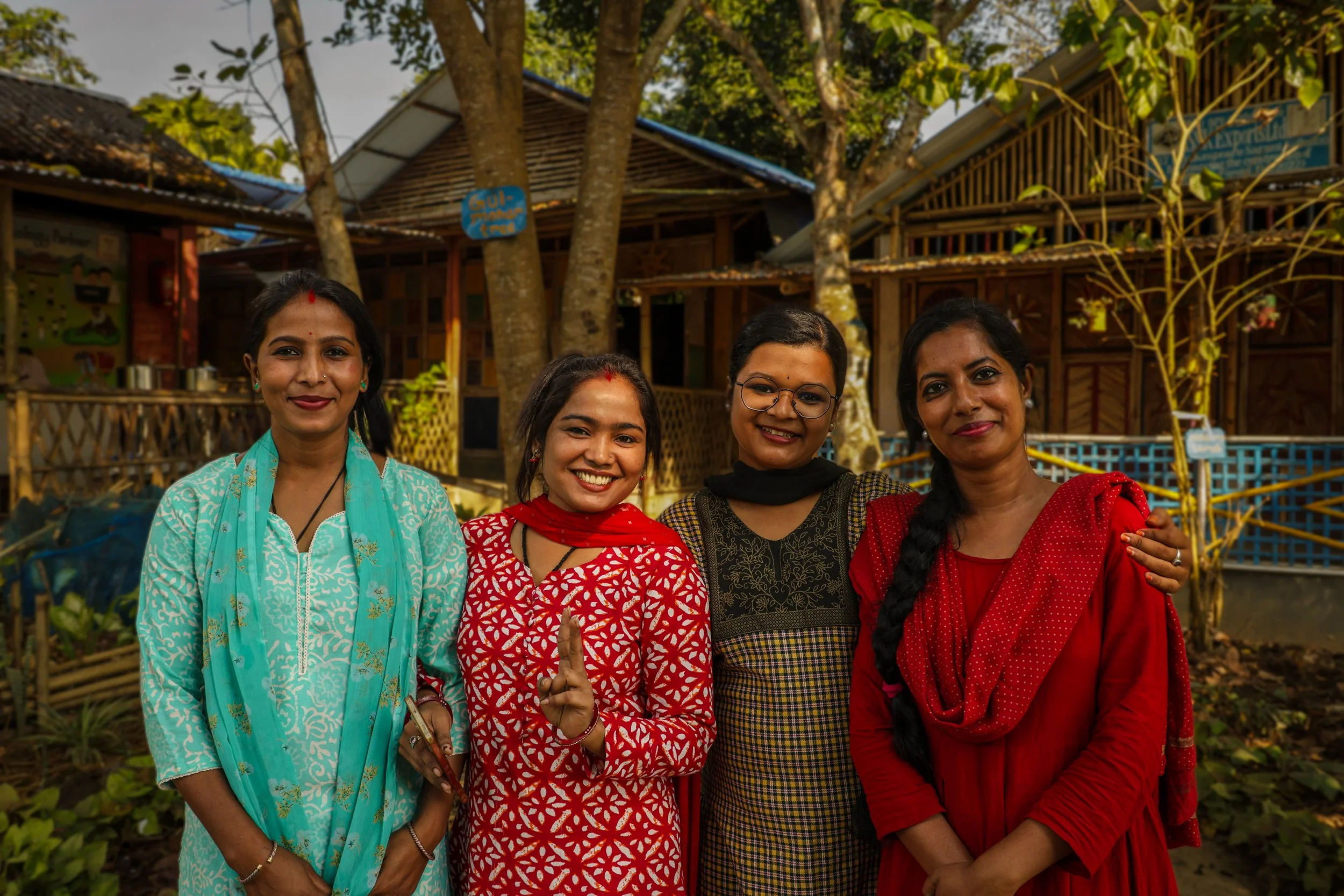
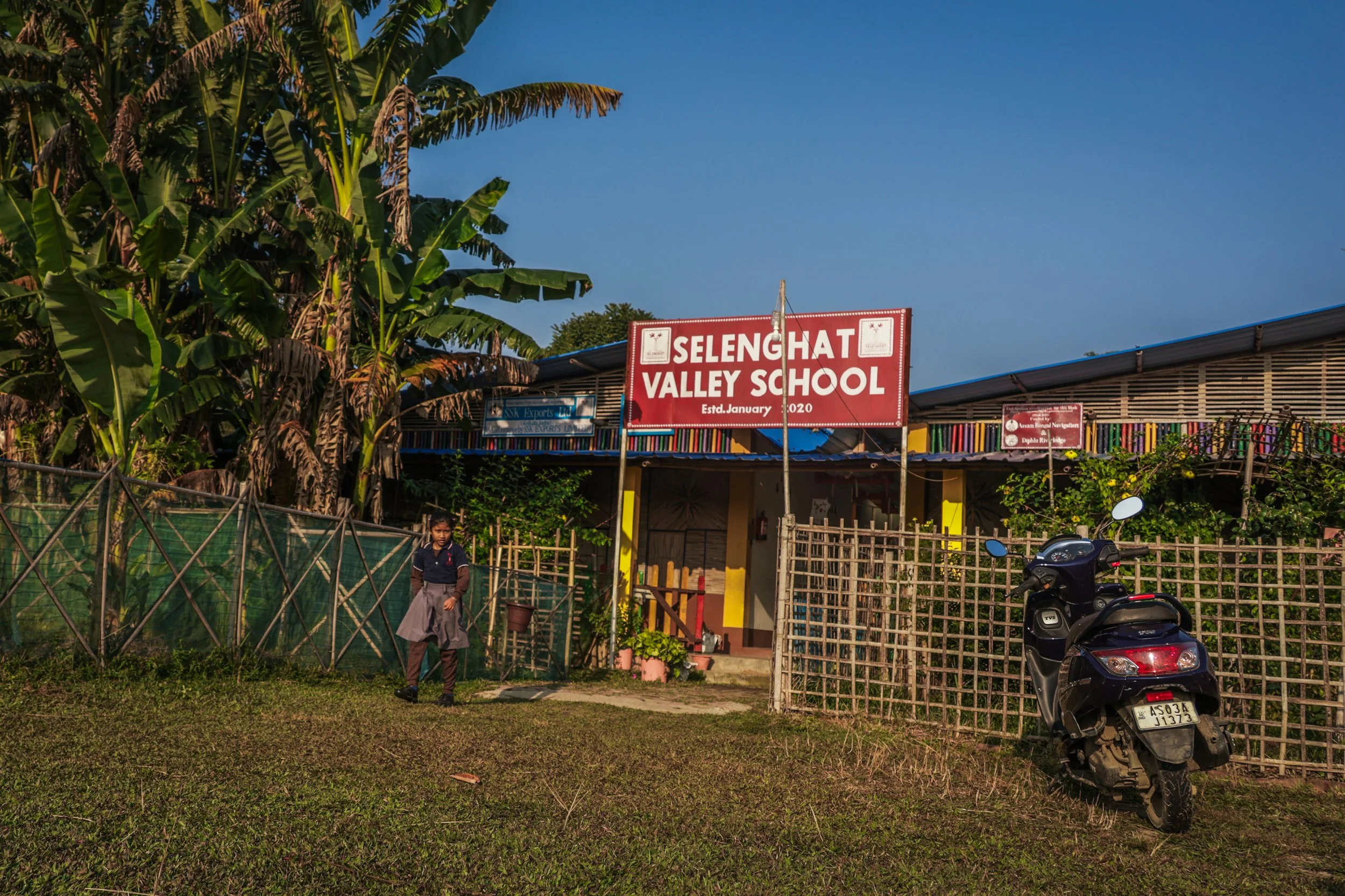
For years I had been hearing about this grassroots school in a remote tea plantation in Northeast India through my involvement in the Architecture-in-Development nonprofit. The Selenghat Valley school has been recognized as a unique example of locally-owned social impact in a region that’s faced colonial marginalization for generations. In 2021, architects Uday Goswami and Jayesh Ganesh joined forces with scientist and social worker Arjun Trivedi and his surrounding community to dream up a new model for hands-on education that addresses the common problem of a lack of “play” in mainstream education in India. After following this project for so long, it was time to see it for myself.
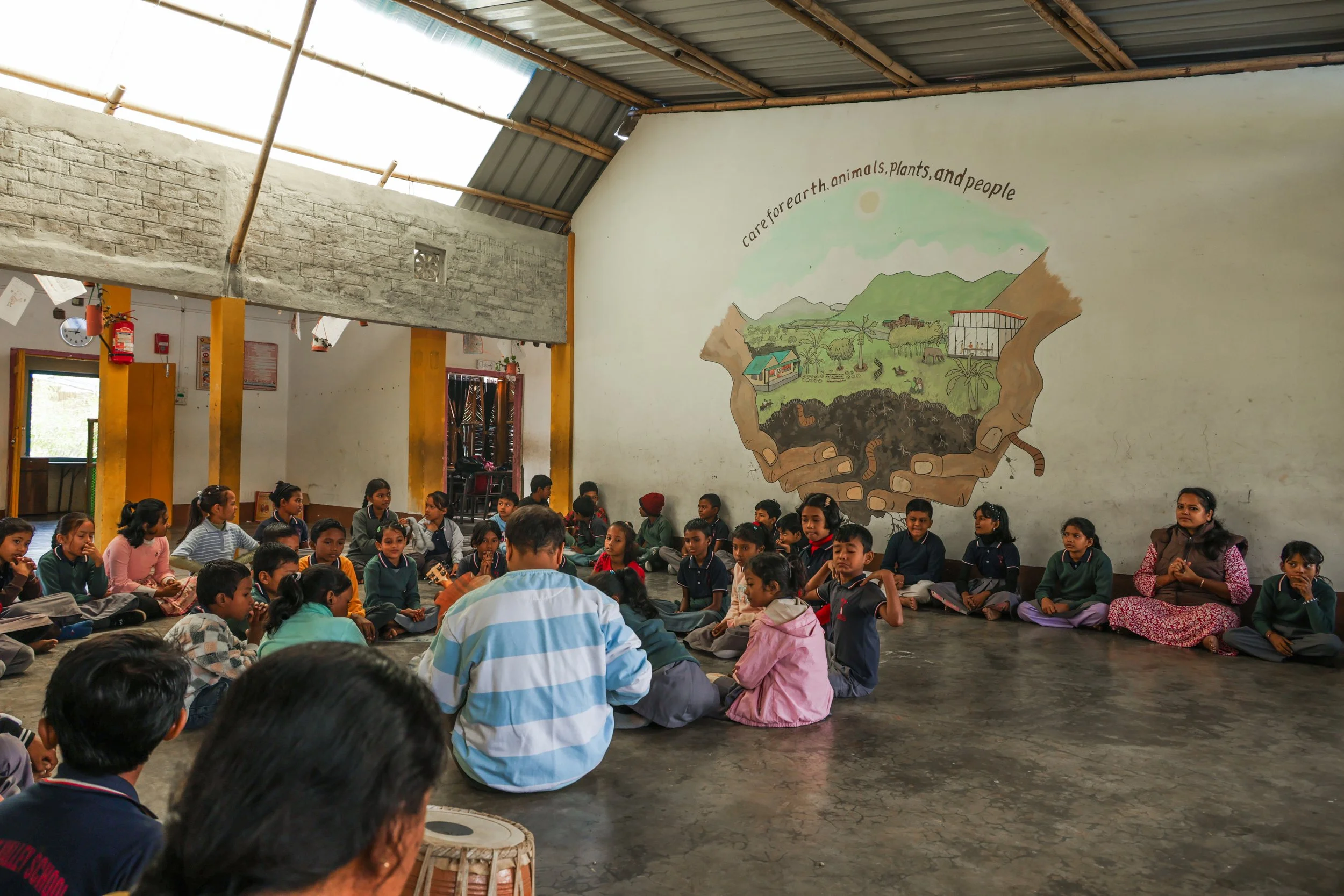
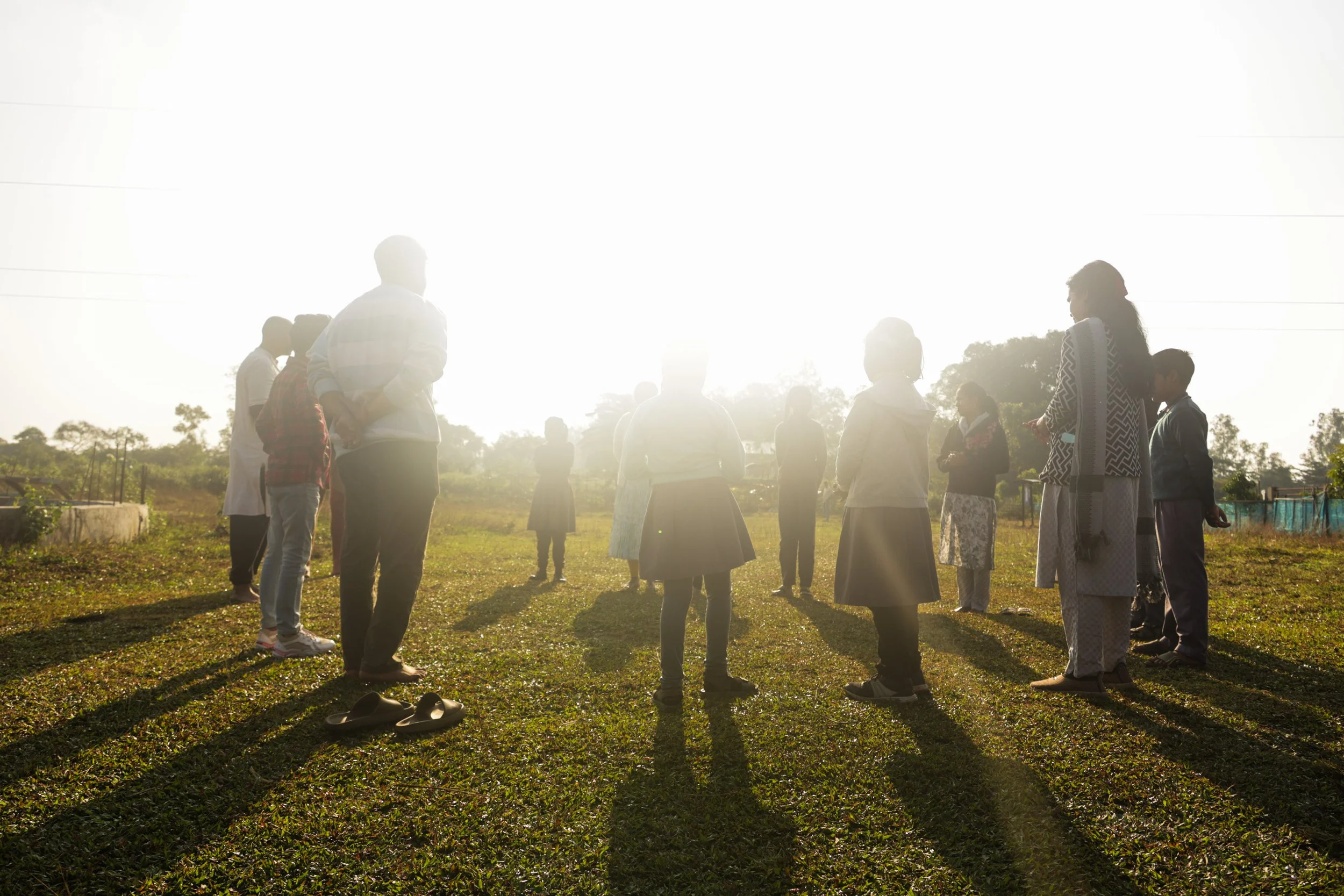
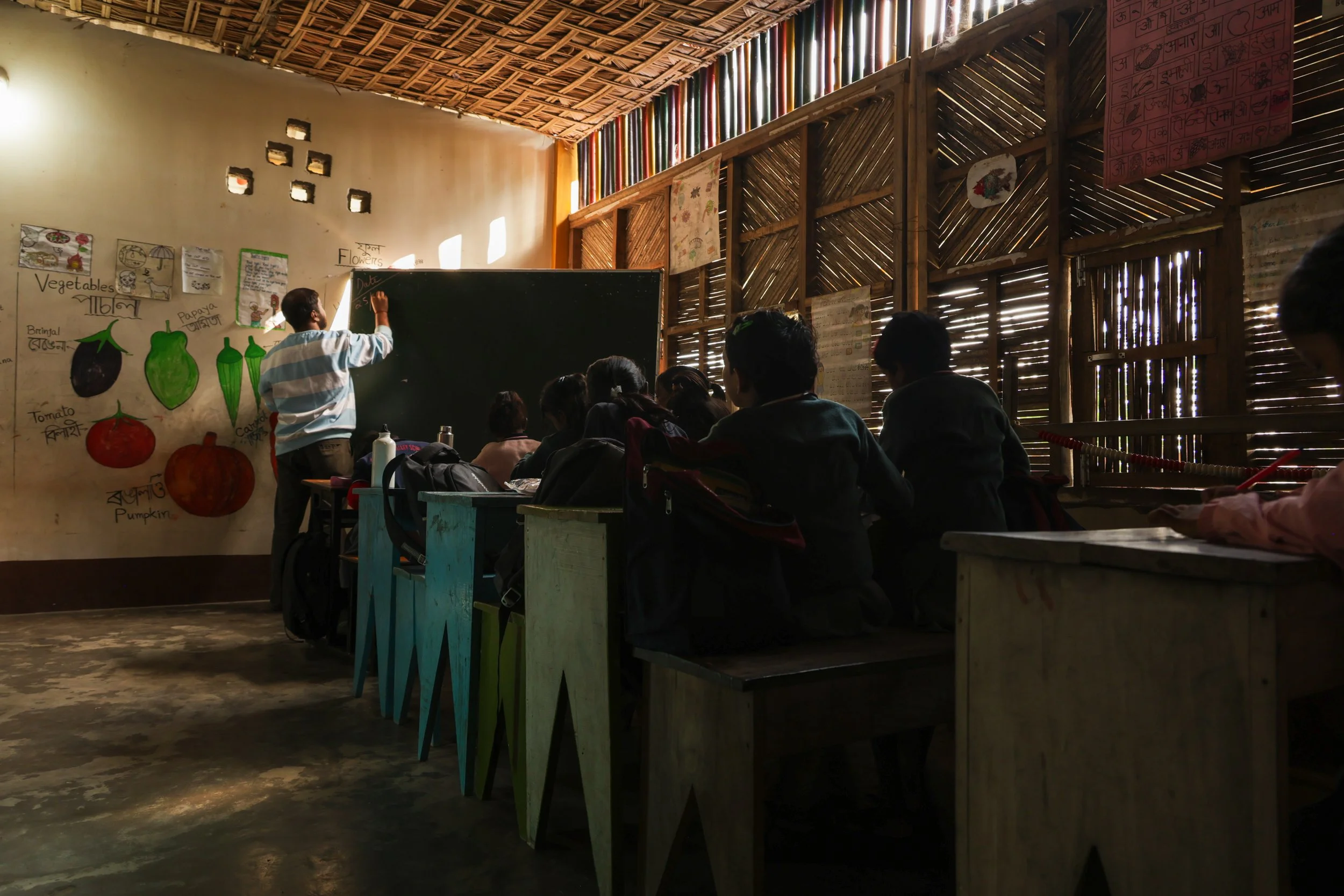
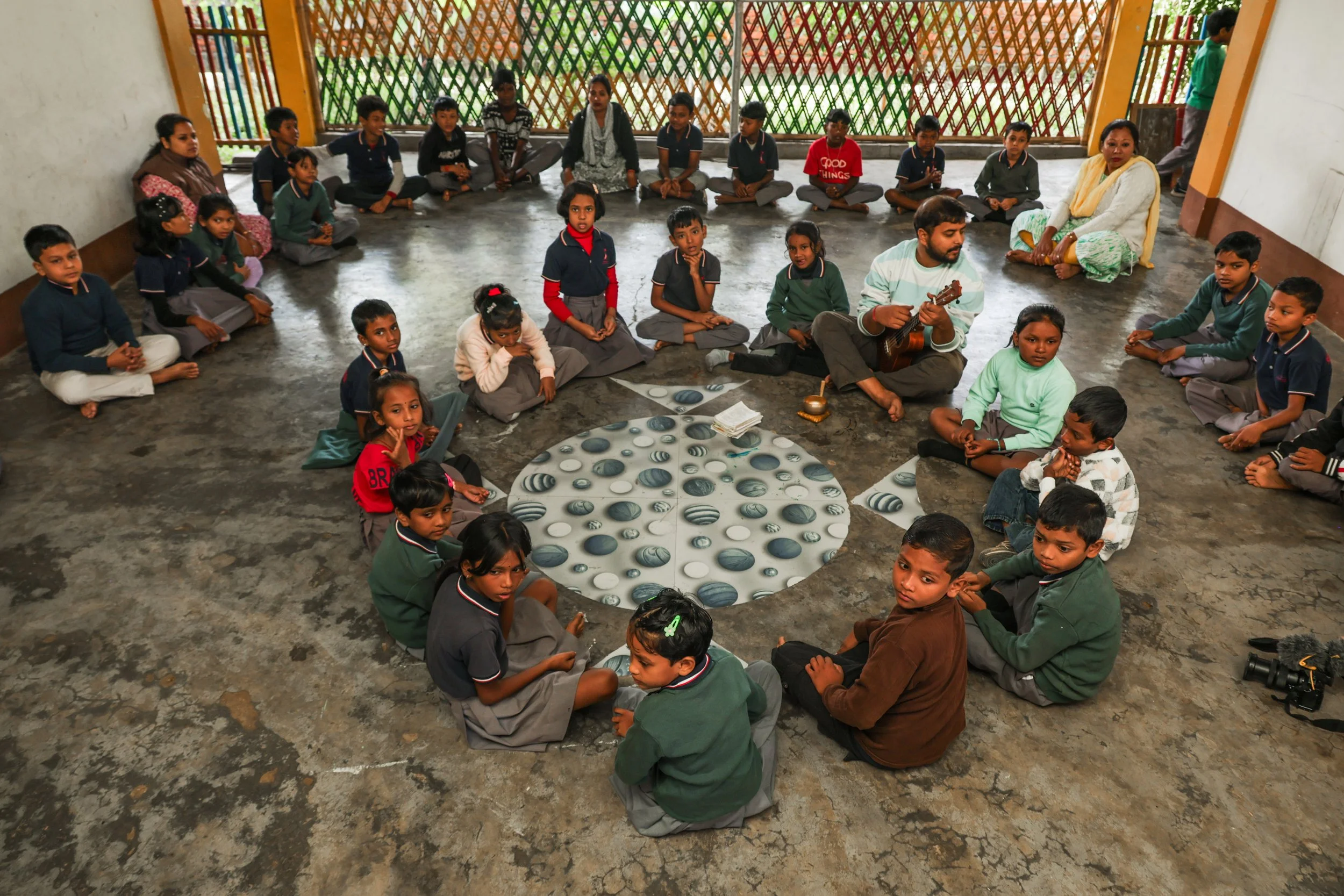
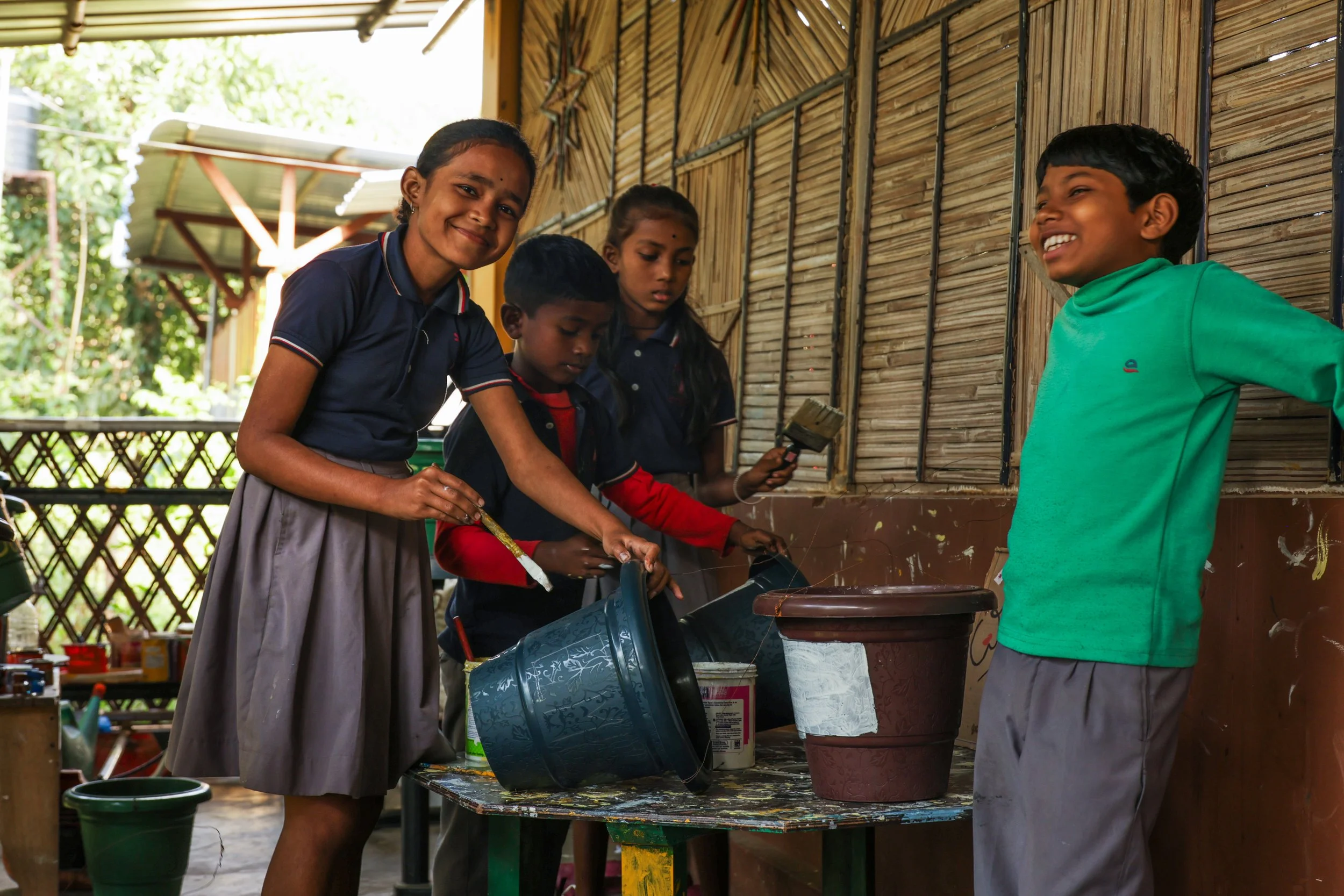
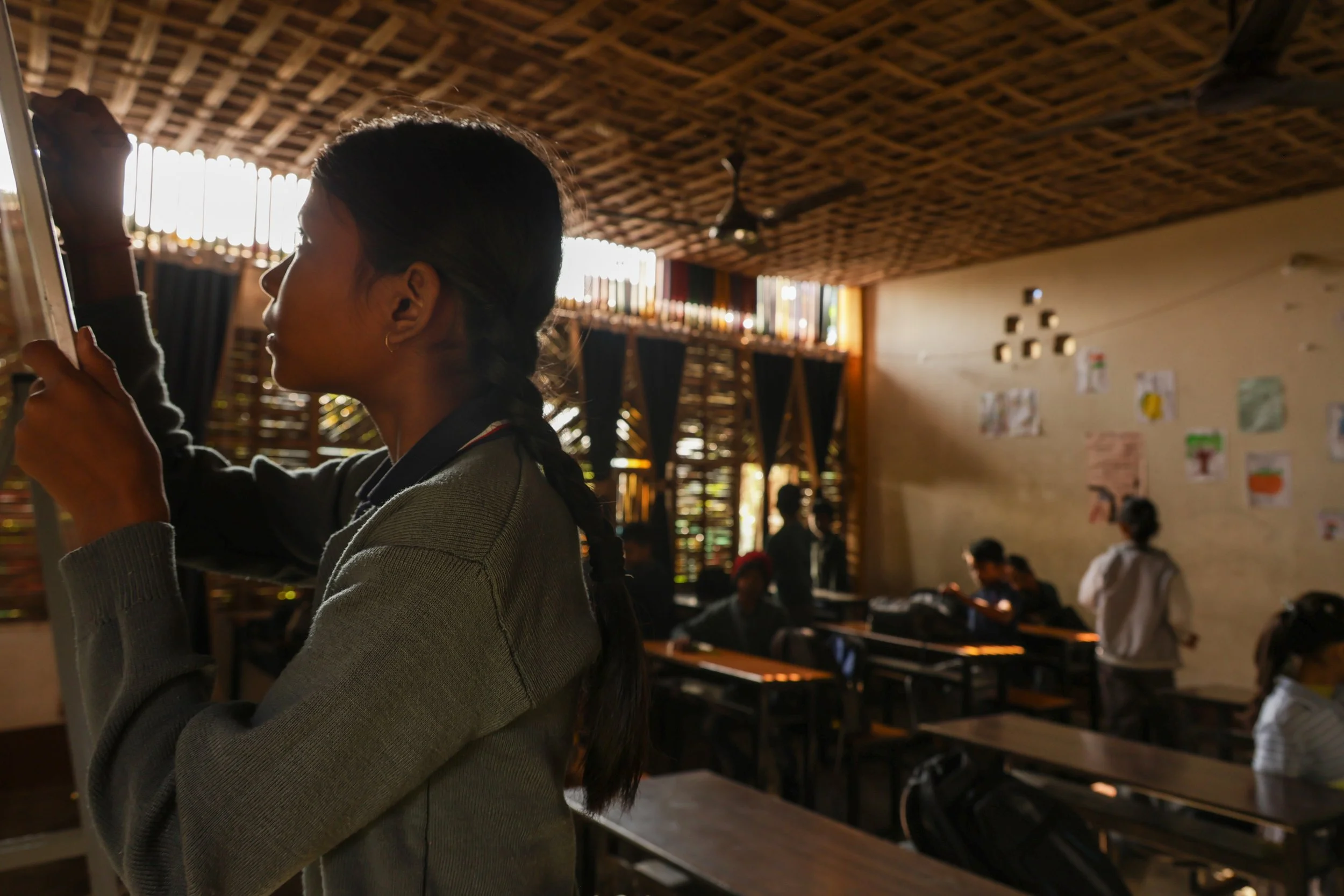
The most unique aspect about this school is its focus on happiness and wellbeing in both students and staff. They start their day with a barefoot meditation on the grass in front of the bamboo school building, then they proceed to further ground themselves in housekeeping activities like cleaning trash or maintaining the school garden. Eventually, after some singing and dancing as a group, classes disperse into their respective rooms for daily studies lit by the sunlight that pierces through perforated bamboo walls. The students and teachers are all clearly in love with their school and seem to enjoy every moment they spend there. I don’t think I would have felt the same at my mainstream school in the United States.
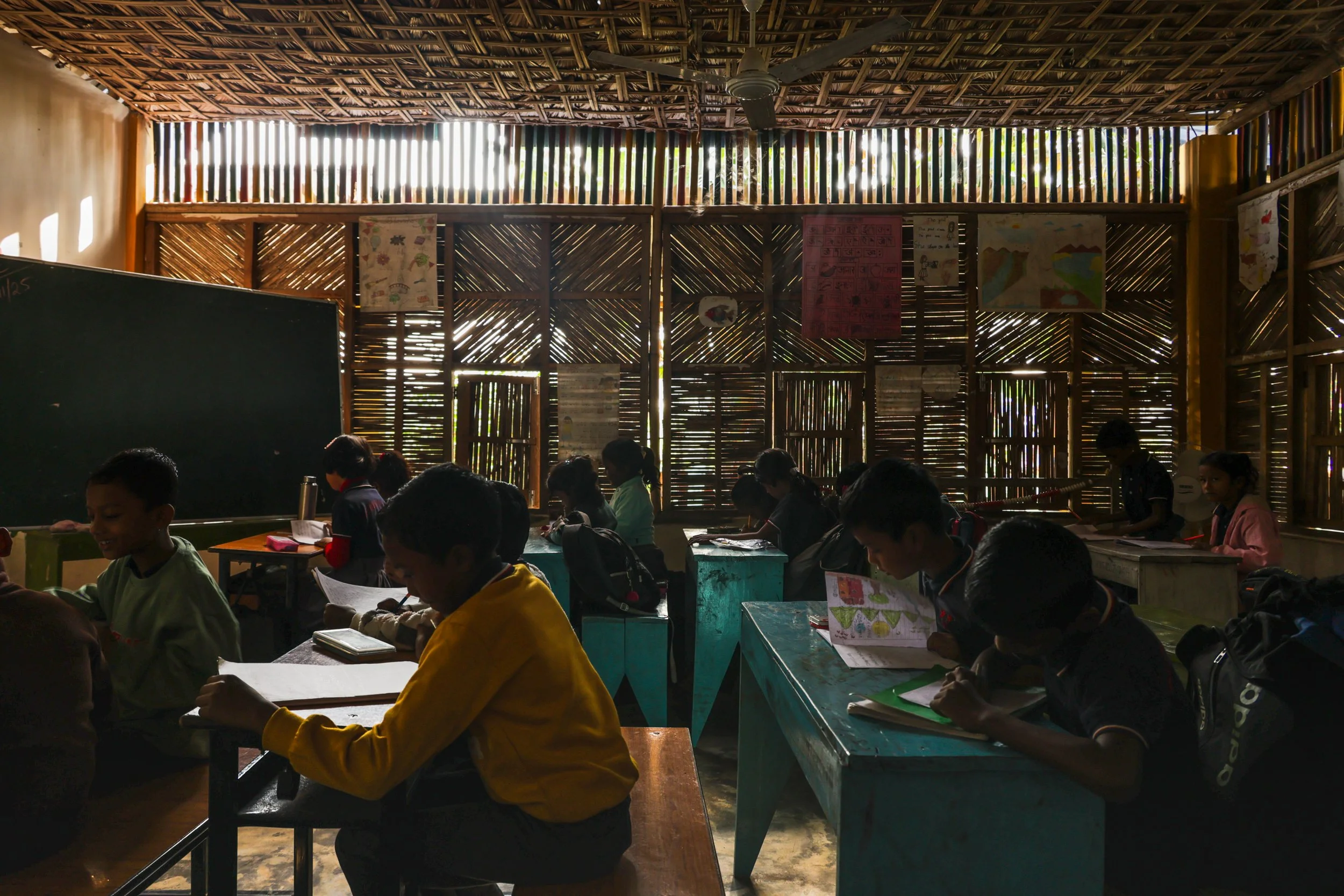
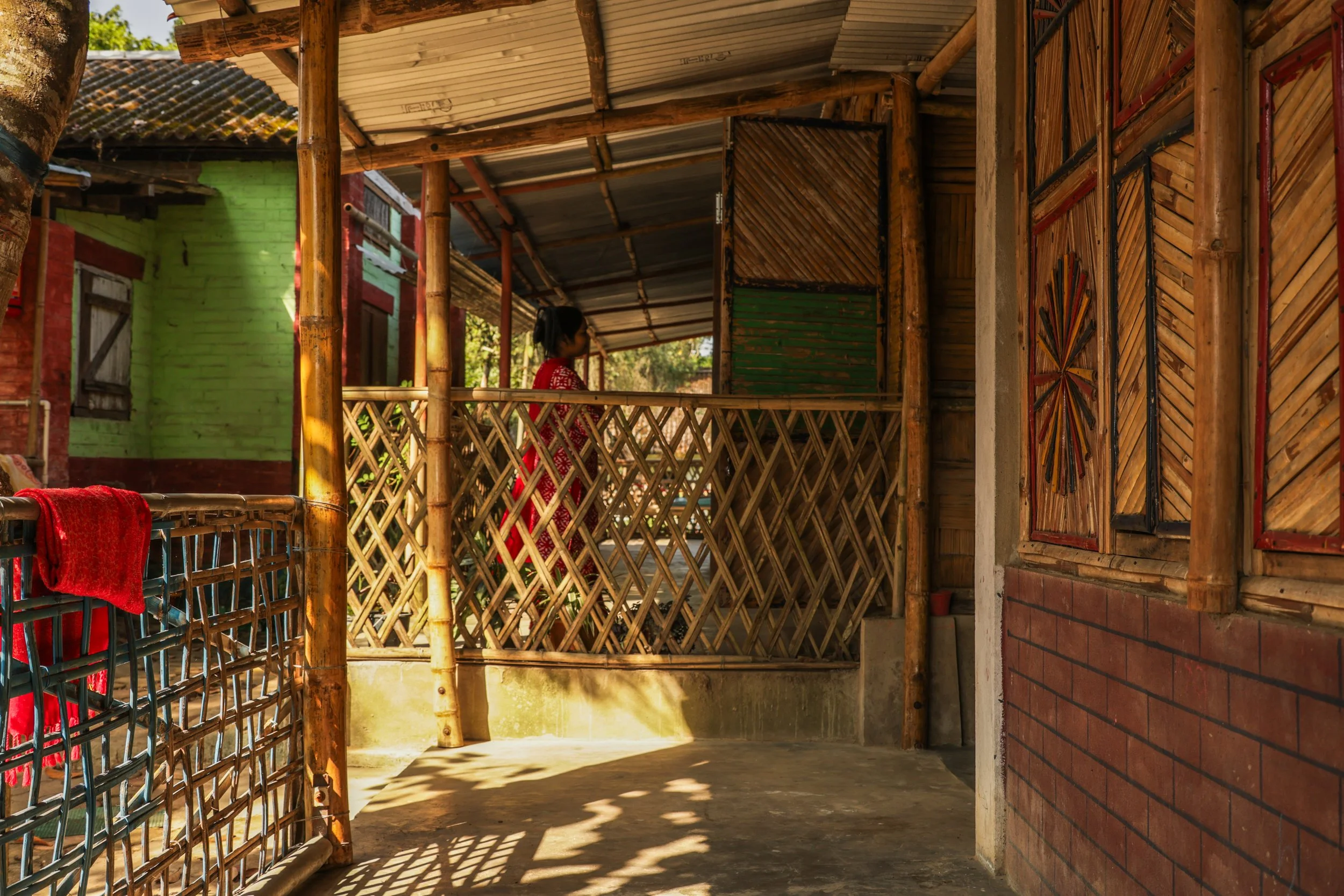
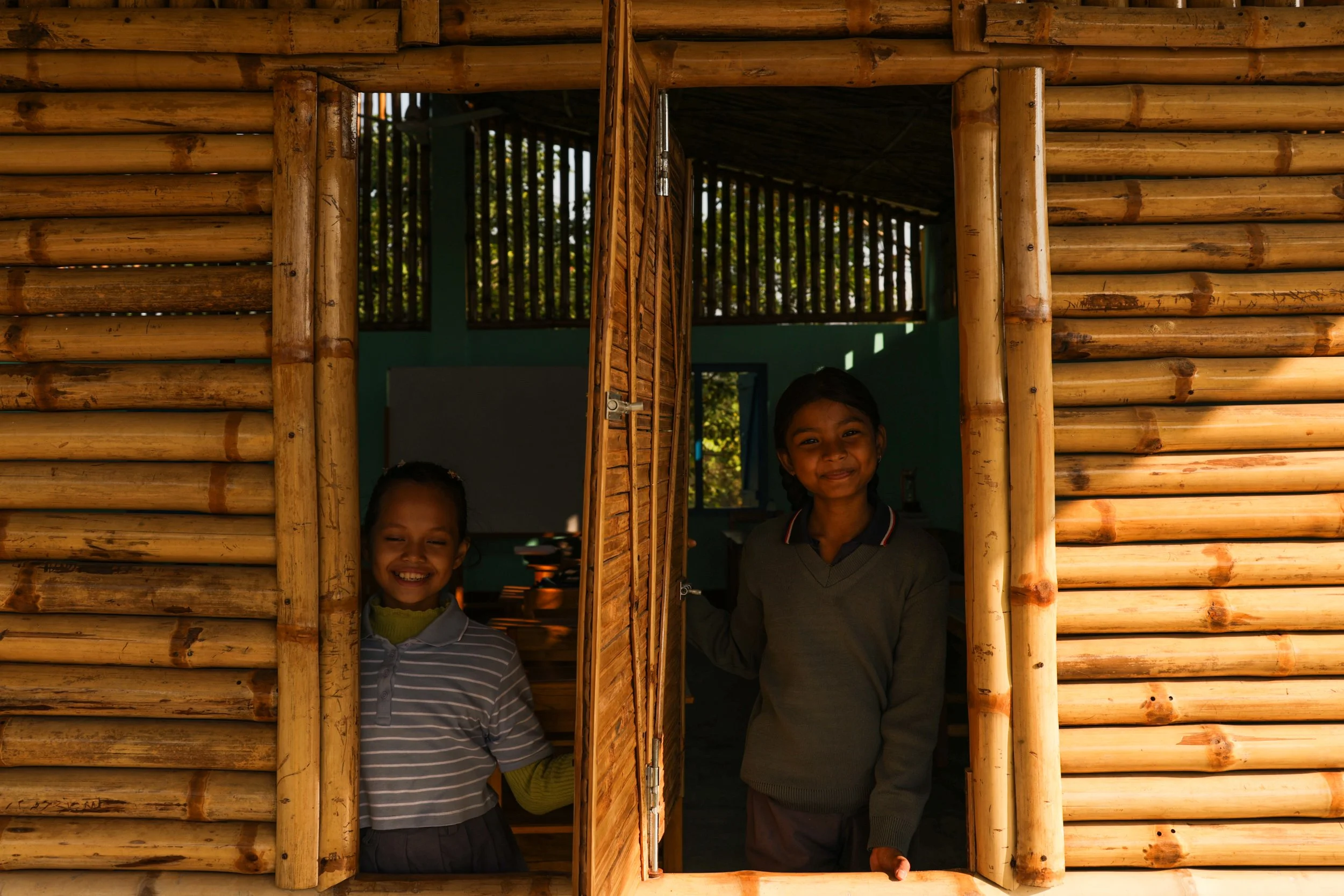
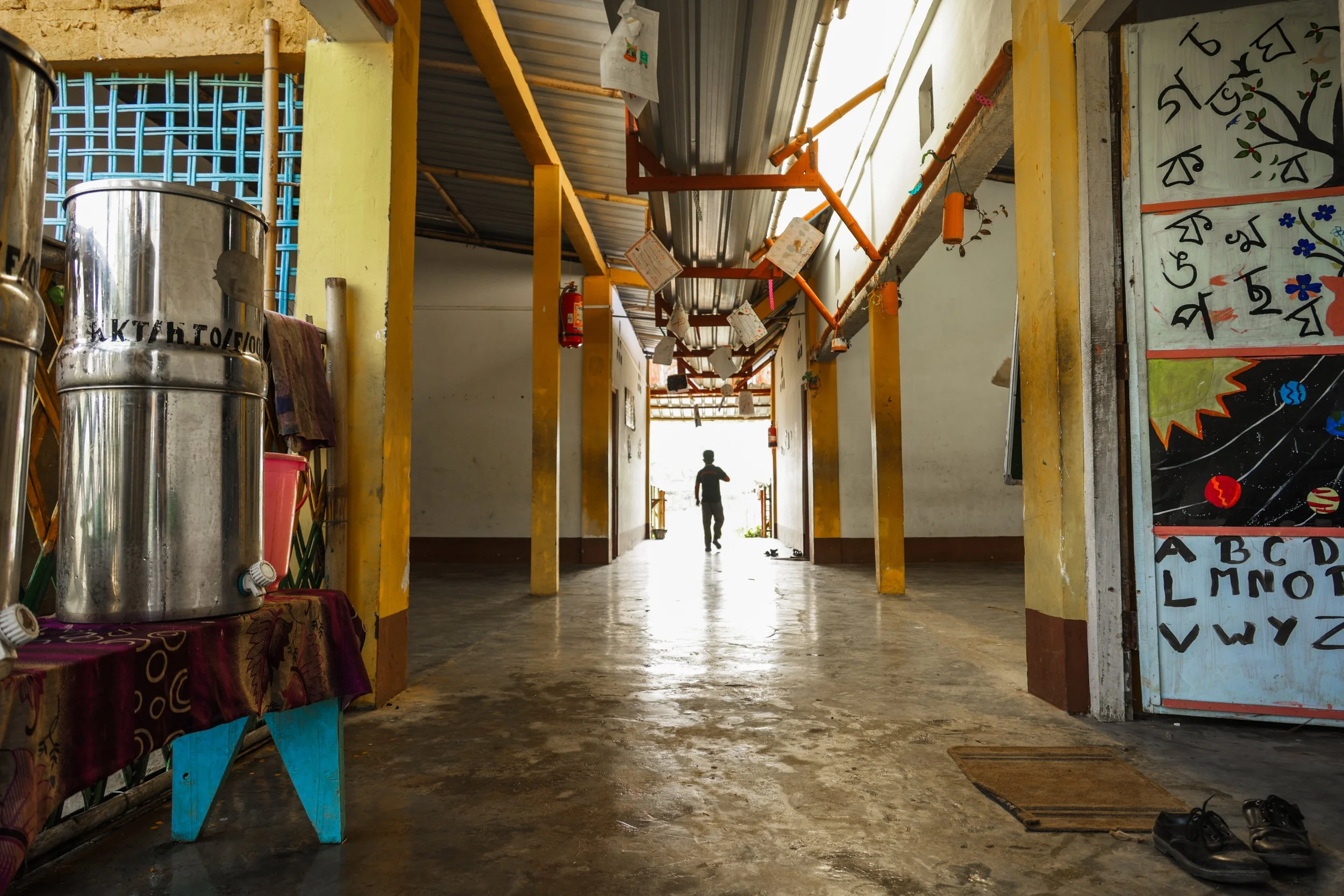
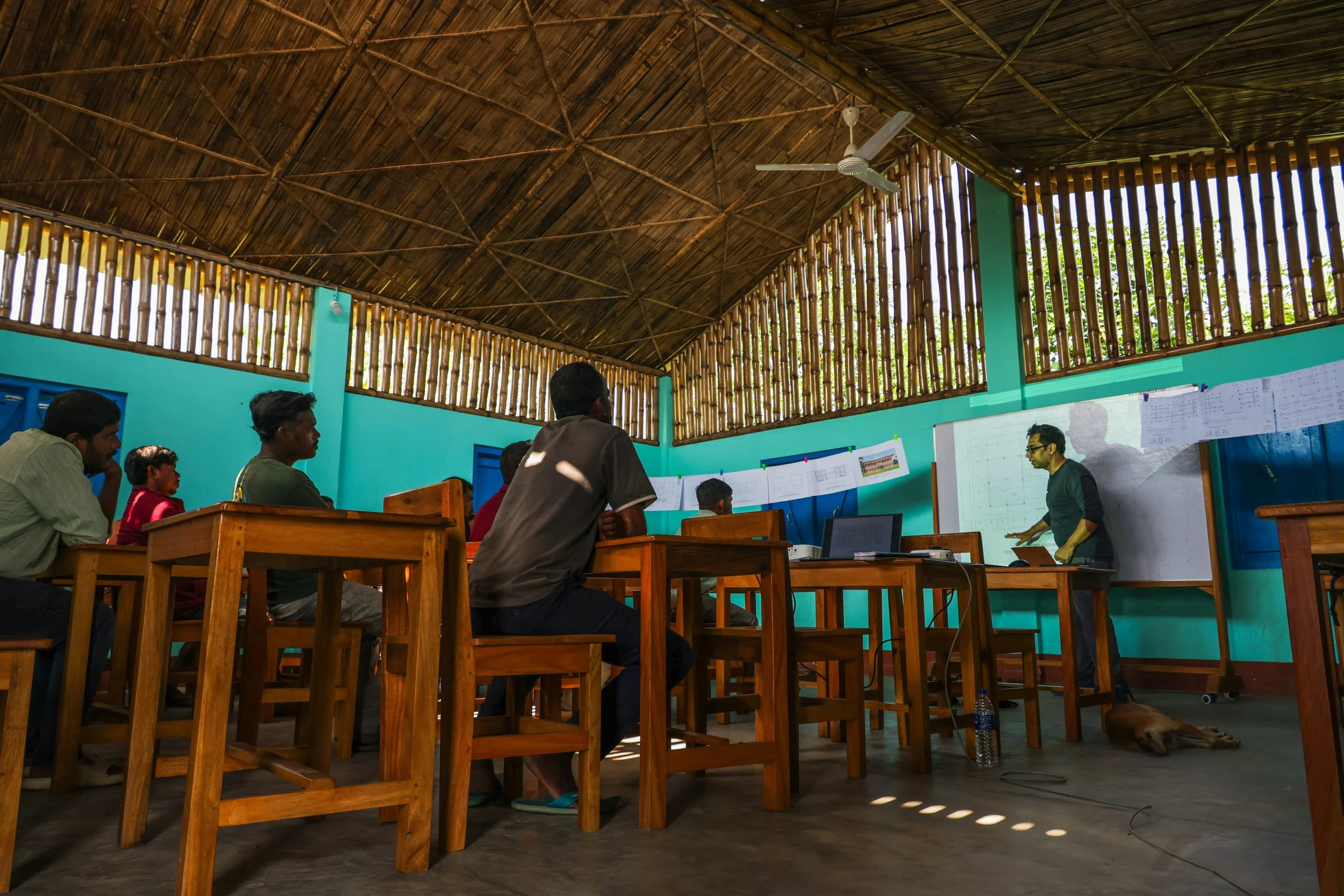
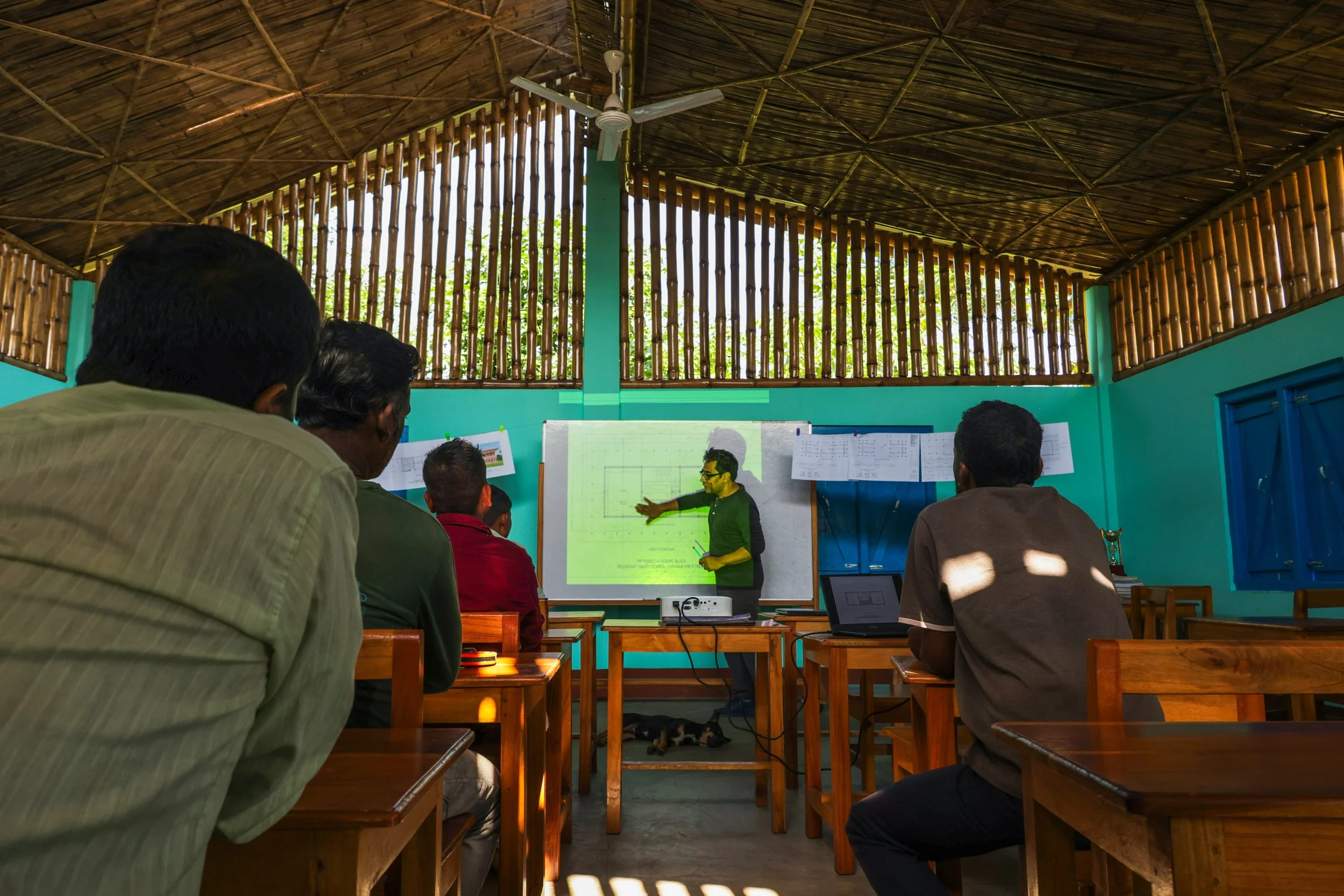
One of the most striking aspects of the Selenghat Valley School is the look and feel of the buildings themselves. The architecture is simple and comprised of local materials like bamboo and wood, mixed with durable concrete and composites to sustain the structure’s longevity. Throughout the classrooms are clever details like wooden stars and carvings into the walls that the community builders added for a personal touch. Everyone was involved in the design and construction of the school, which led them to feel a sense of ownership of it.
“The building became a part of everyone’s lives,” said architect Uday Goswami, who has worked very intimately with local builders to co-create a safe and personalized space. Not only is ‘play’ encouraged in the children’s learning process, but it is also integral to the way their school is built.
Additional Photos