Building Together
on the Borderlands
Can mud classrooms give refugee kids a sense of belonging?
The small town of Mae Sot has a multi-layered history. For many years it served as a major trade hub bridging the economies of Thailand and Myanmar, but when violent warfare broke out on the Myanmar side… this border town became a refuge for people fleeing conflict.
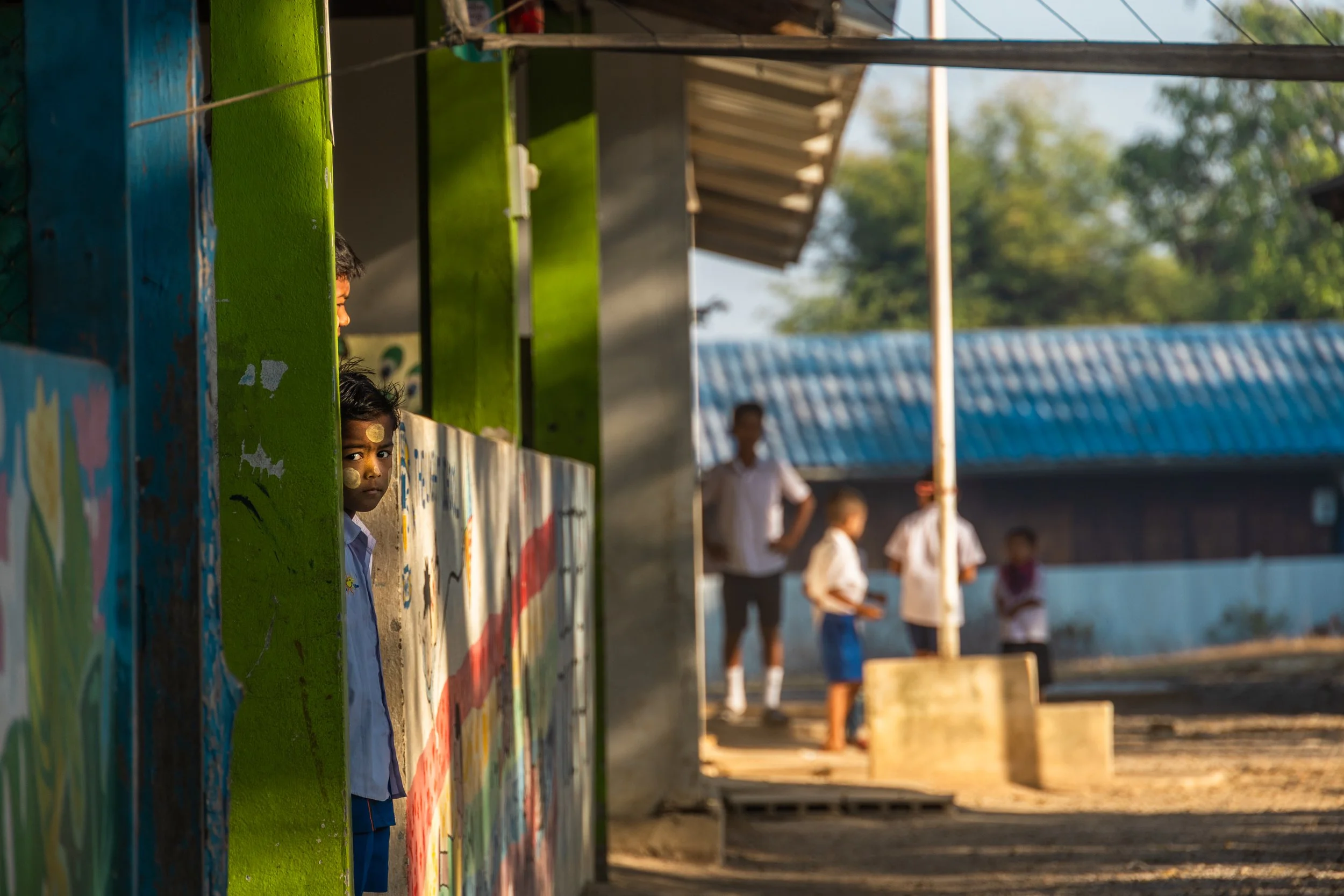
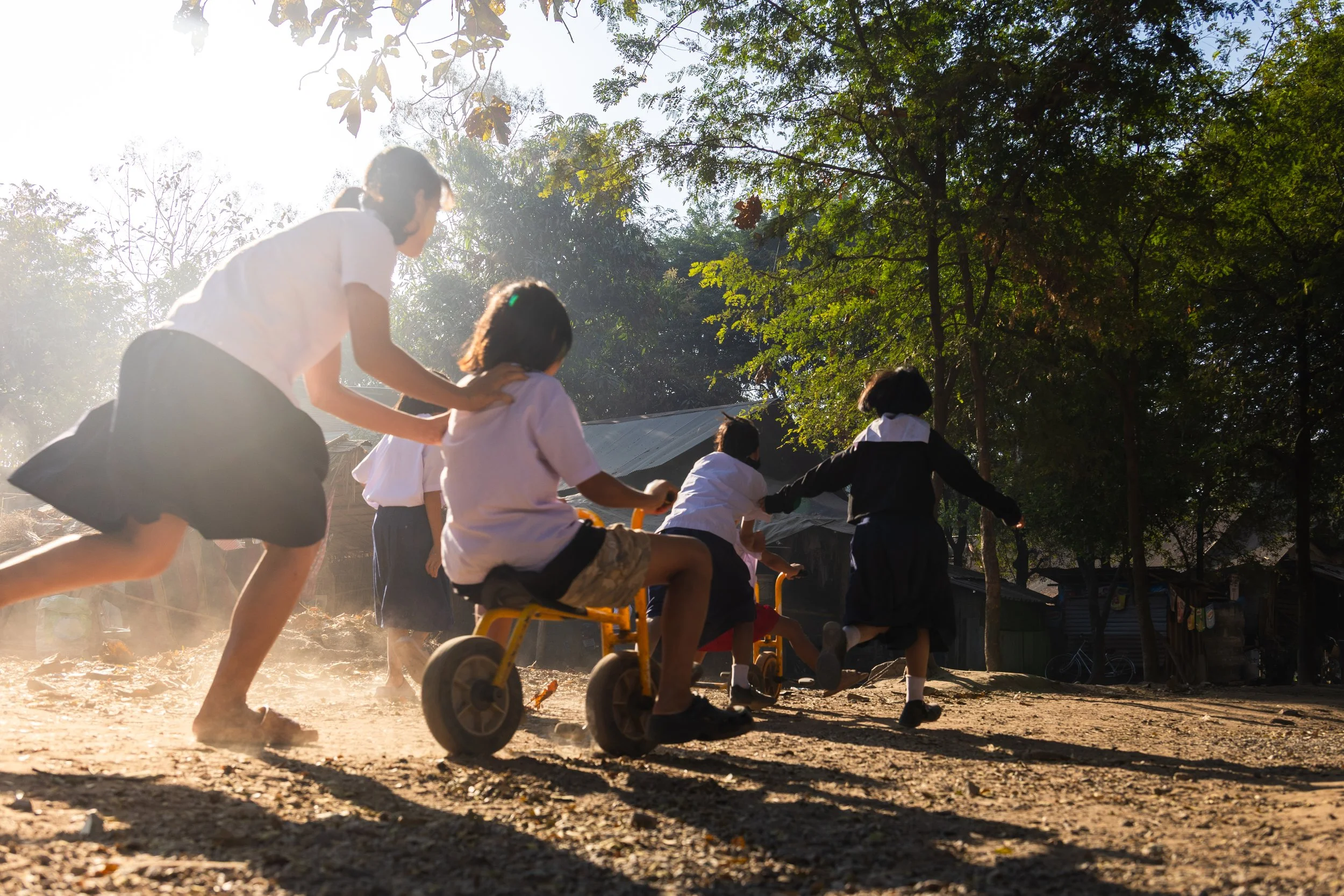
Families came across from Myanmar with their children, not knowing how long they would need to remain in an unfamiliar country before they could return to their motherland. And when these refugee kids (many being undocumented) needed to get an education, Thai public schools would not accept them. I can only imagine how destabilizing it would be to seek belonging in a new country while not being allowed to fully integrate - especially as a kid.
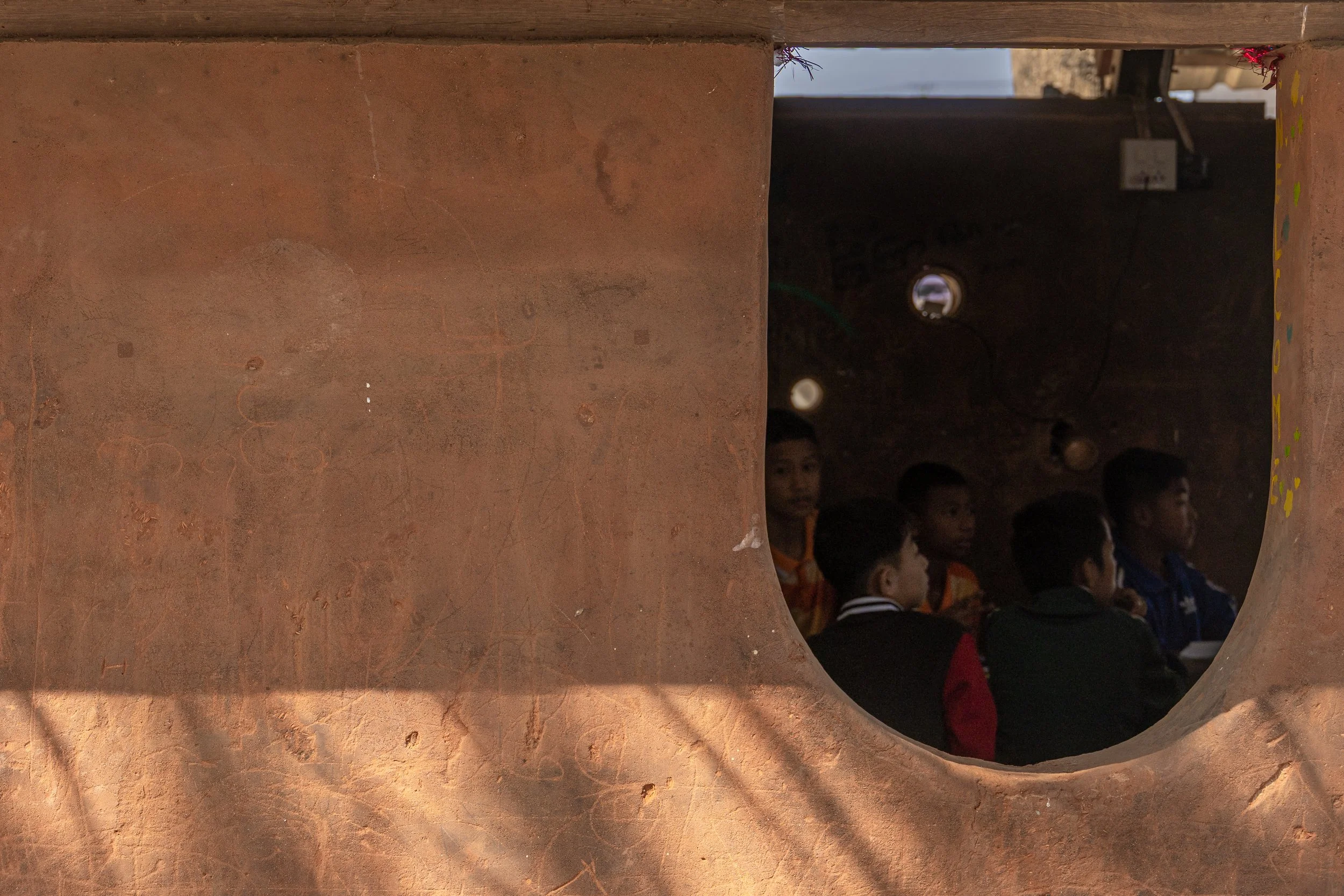
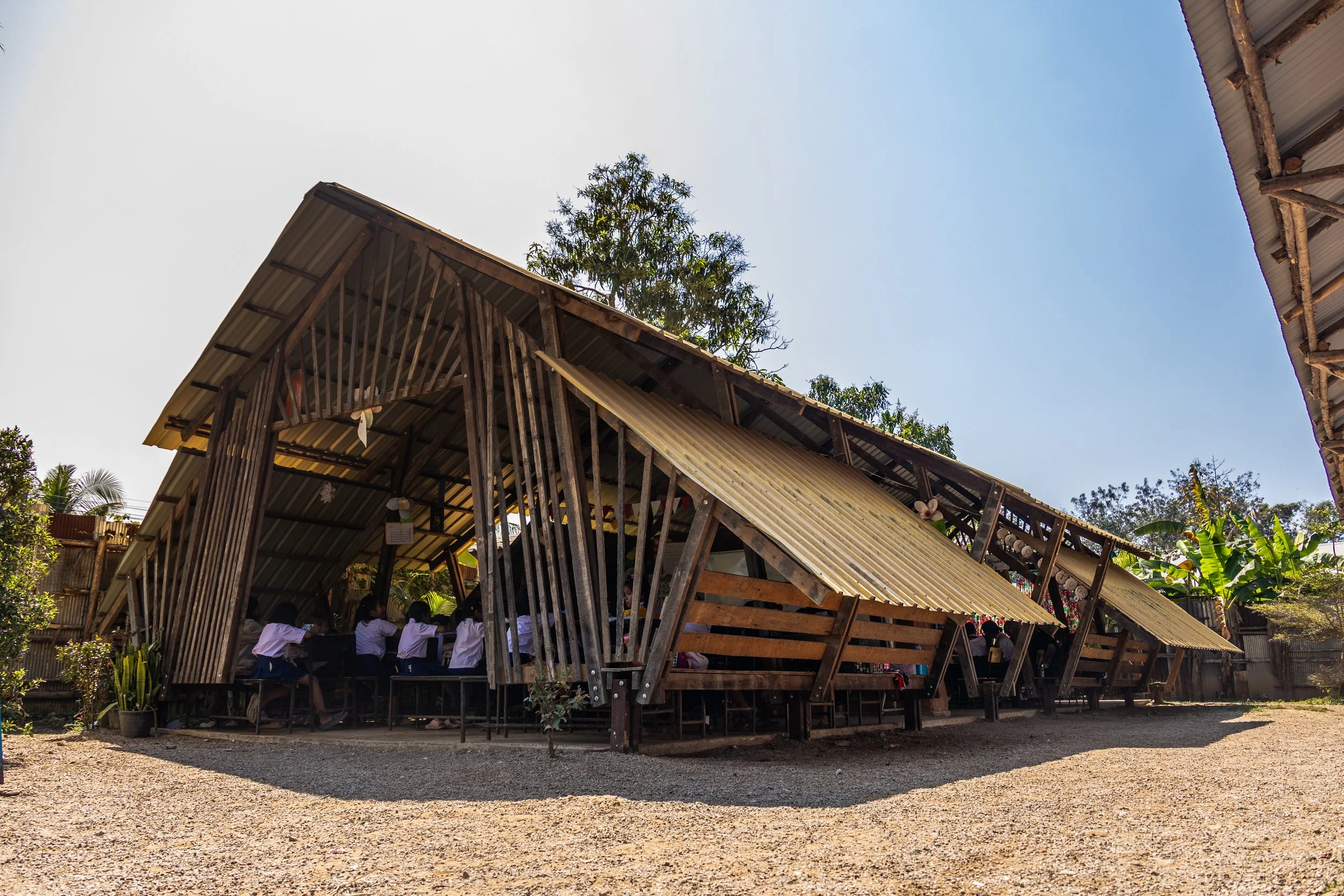
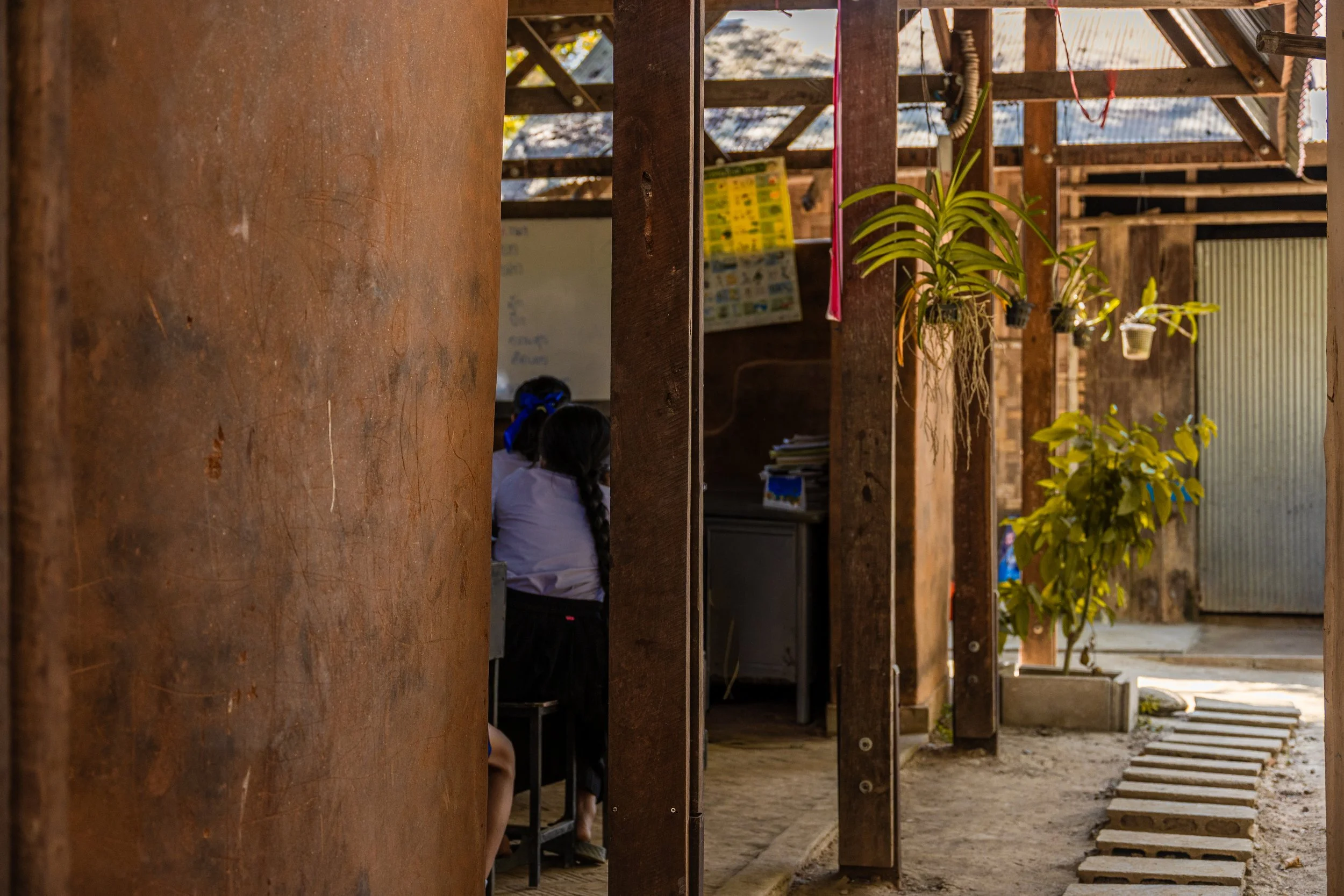
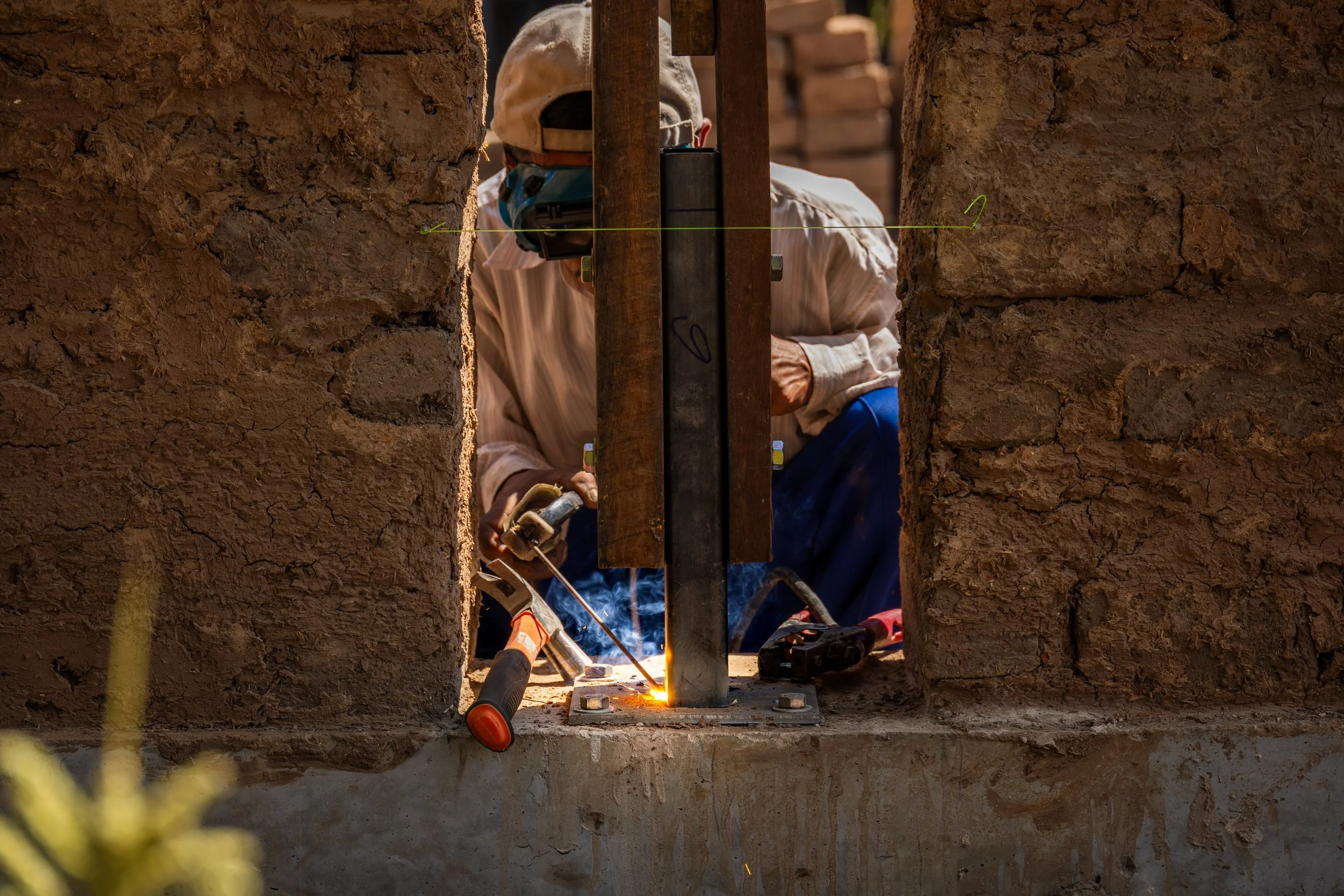
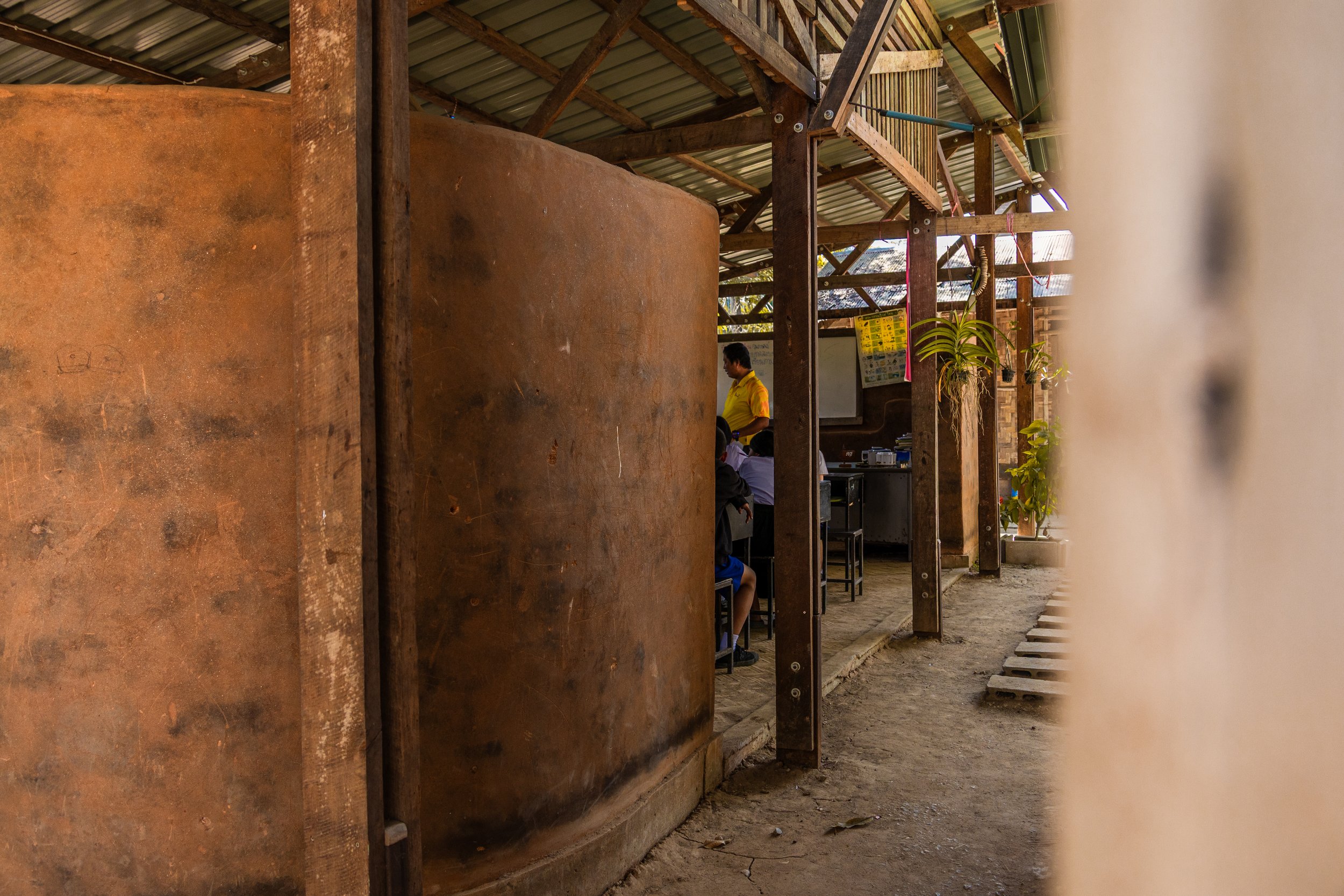
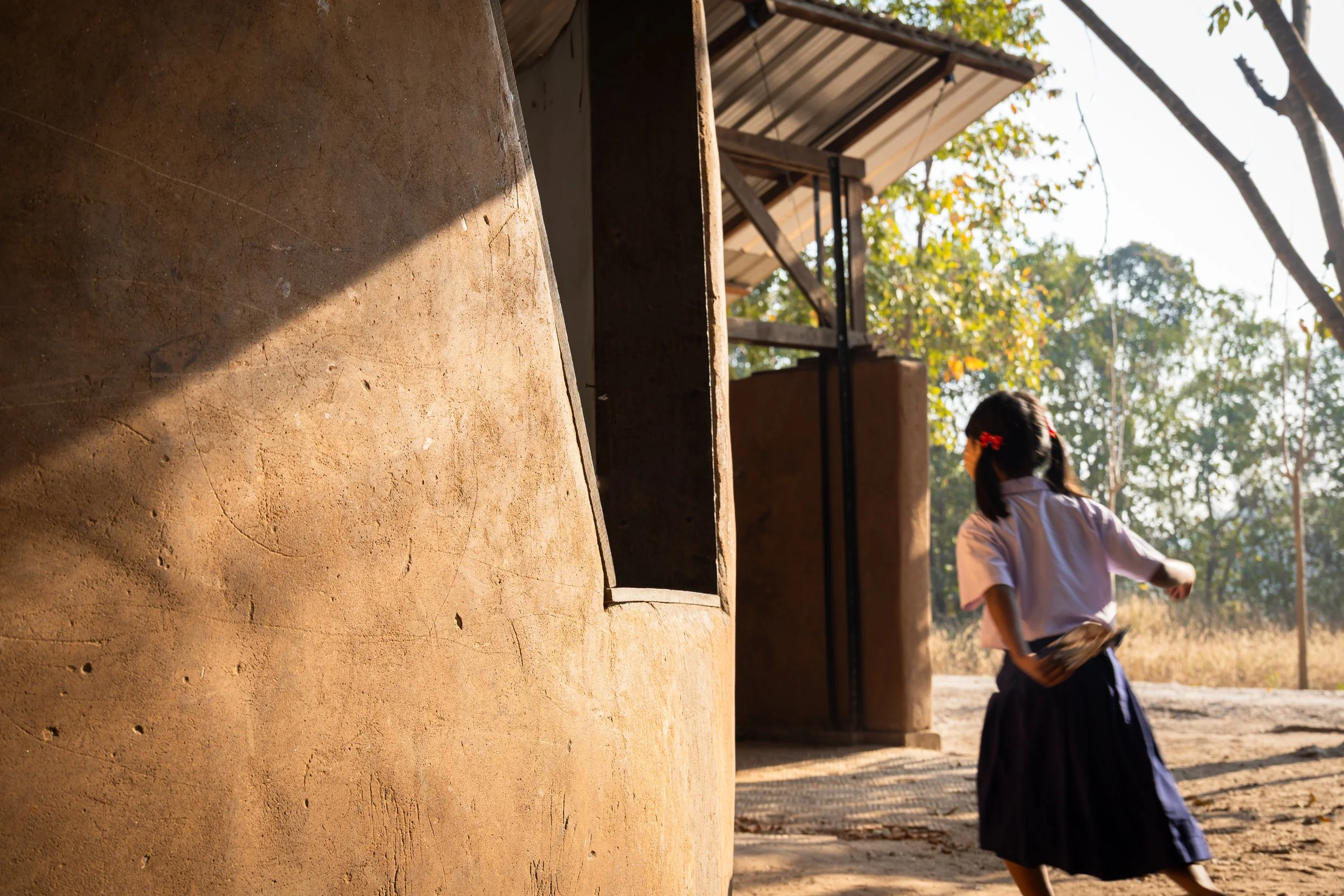
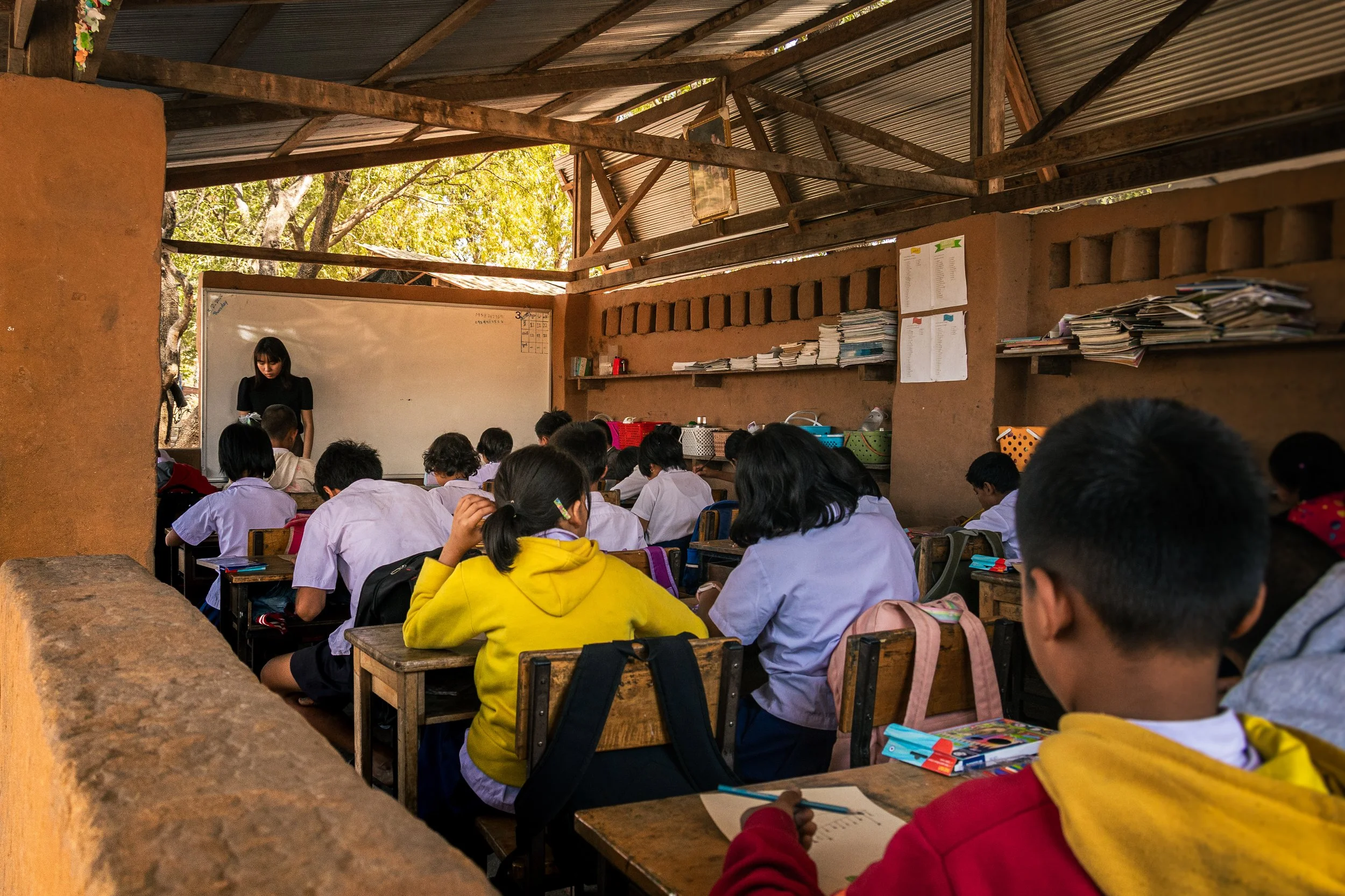
This predicament is exactly what motivates organizations like Help Without Frontiers, a local NGO that sets up and runs migrant learning centers cross this border zone - specifically to accommodate youth who have fled from Myanmar. This initiative teamed up with an old friend of mine - a social architect with an affinity for mud buildings, Jan Glasmeier - to construct beautiful classrooms out of low-carbon materials like earth and recycled timber to meet the needs of their overflowing classrooms.
And I was lucky enough to travel to Mae Sot and see Jan’s mud buildings in action.
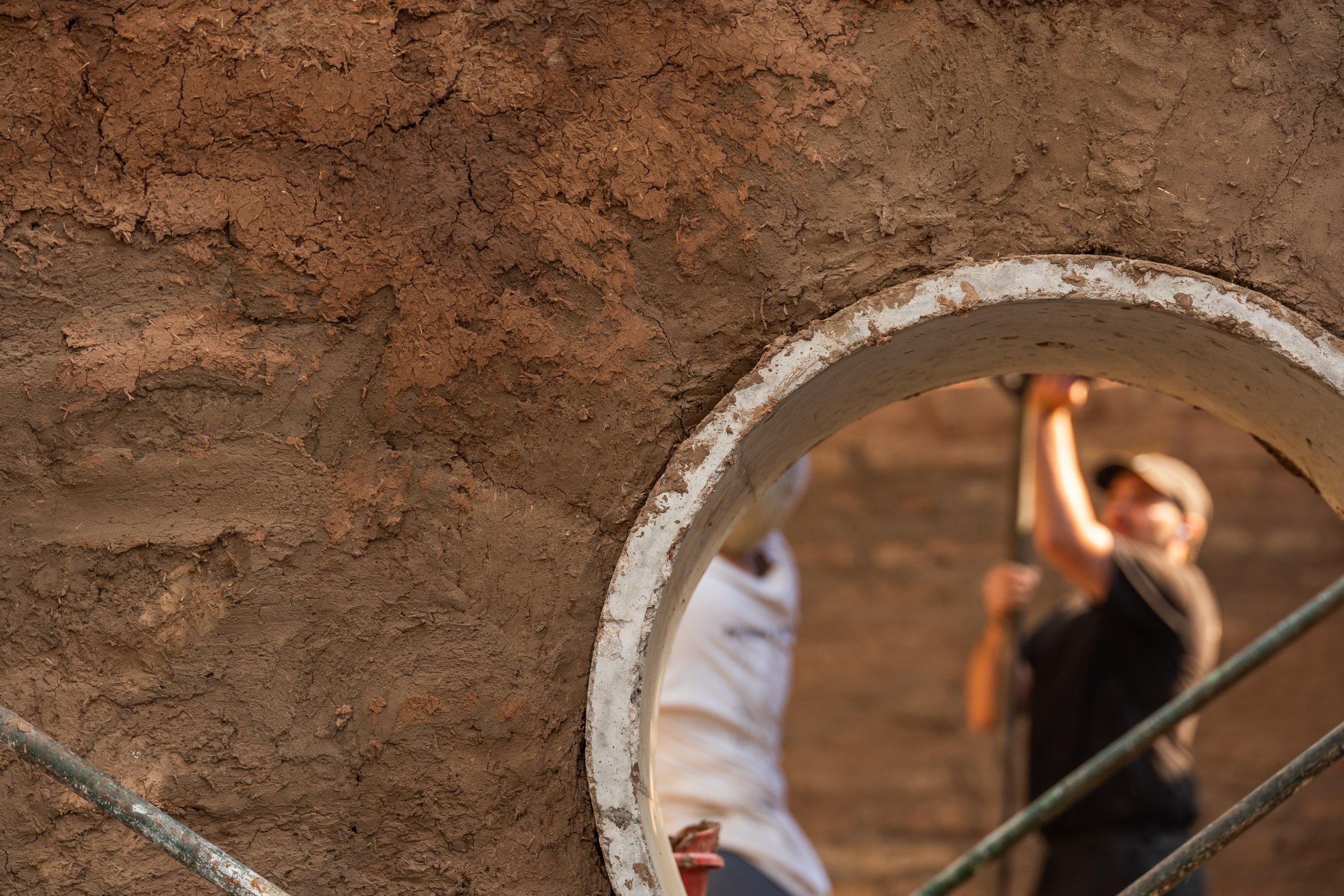
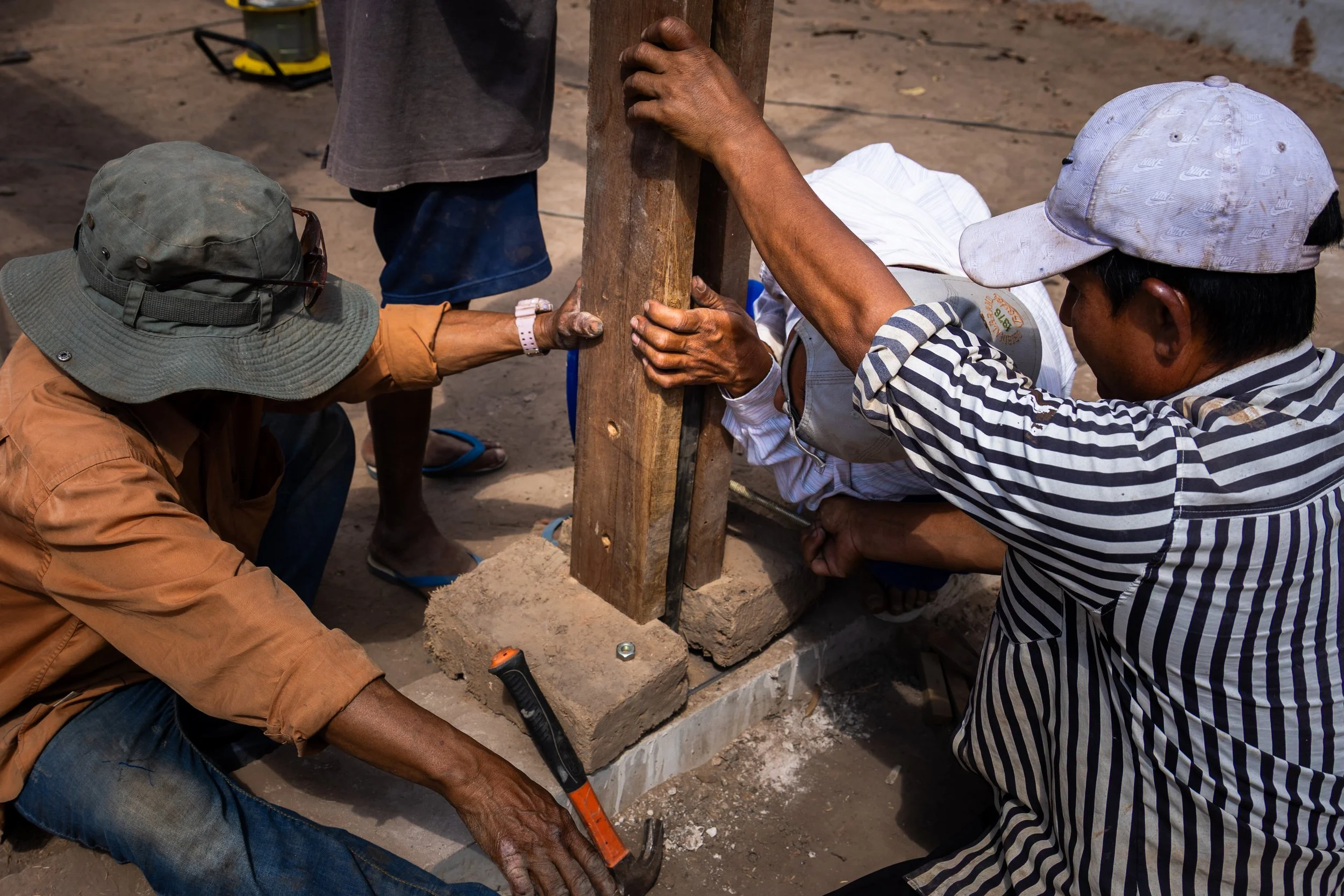
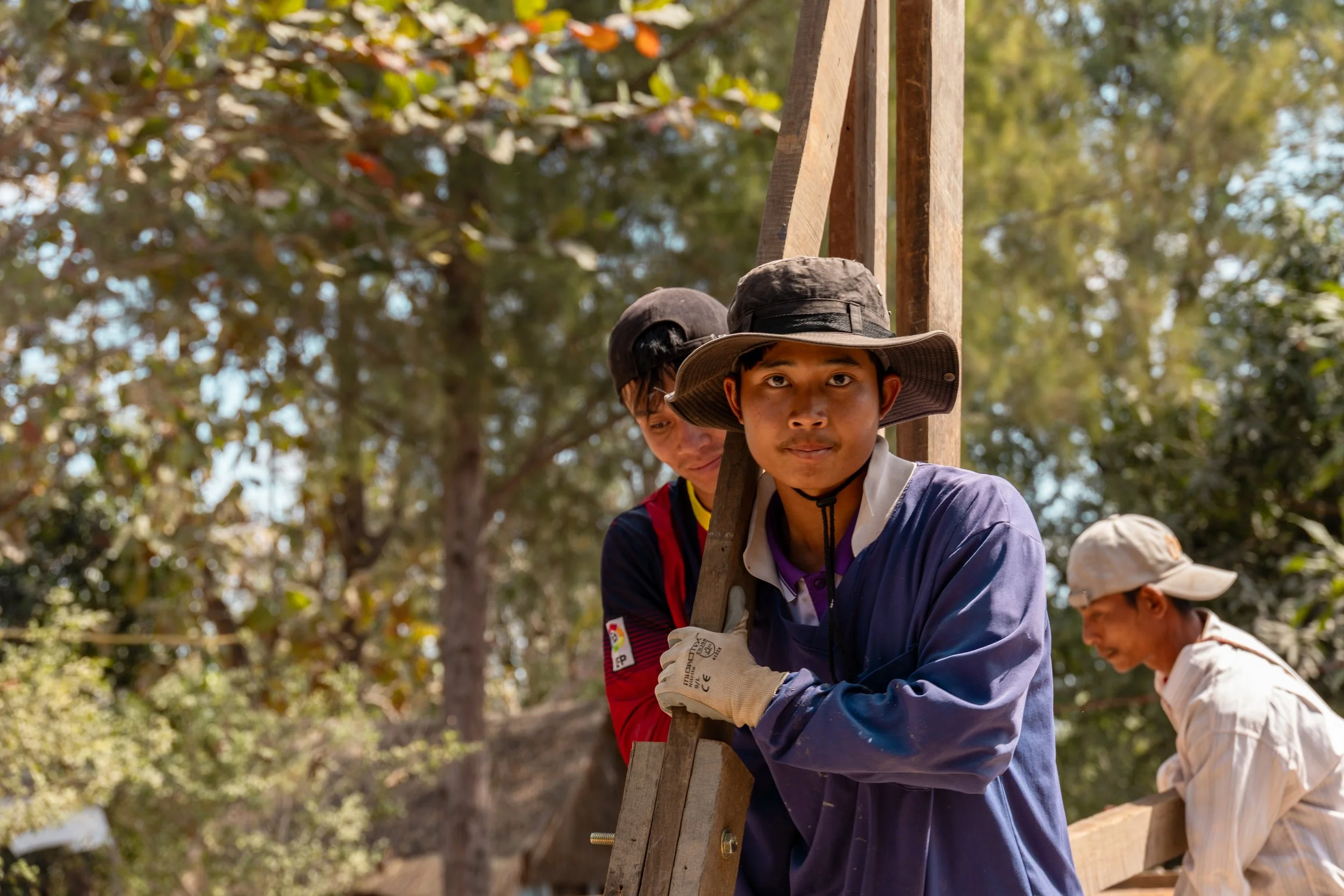
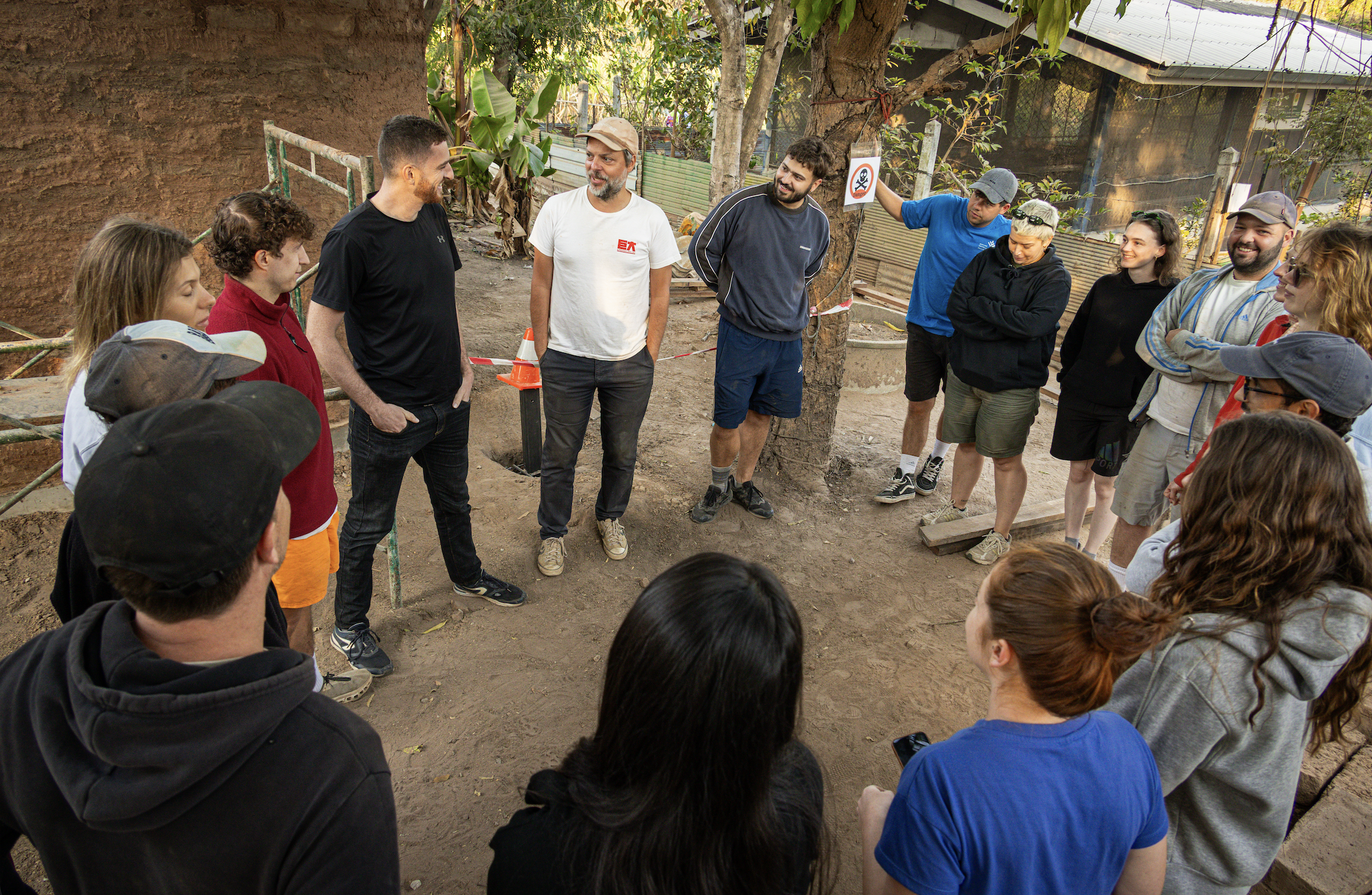
What gives this project its uniqueness is not just its care for the marginalized of Mae Sot - it’s the cross-cultural element. What Jan and his design firm Simple Architecture do is connect local and international architects and builders to construct the classrooms together. Simple Architecture employs local carpenters to share their expertise with international volunteers as well as students from schools around Thailand while they bring their co-designed classrooms to life. Merging together different backgrounds allows for a profound exchange of perspective - not only on the architecture but also on life itself.
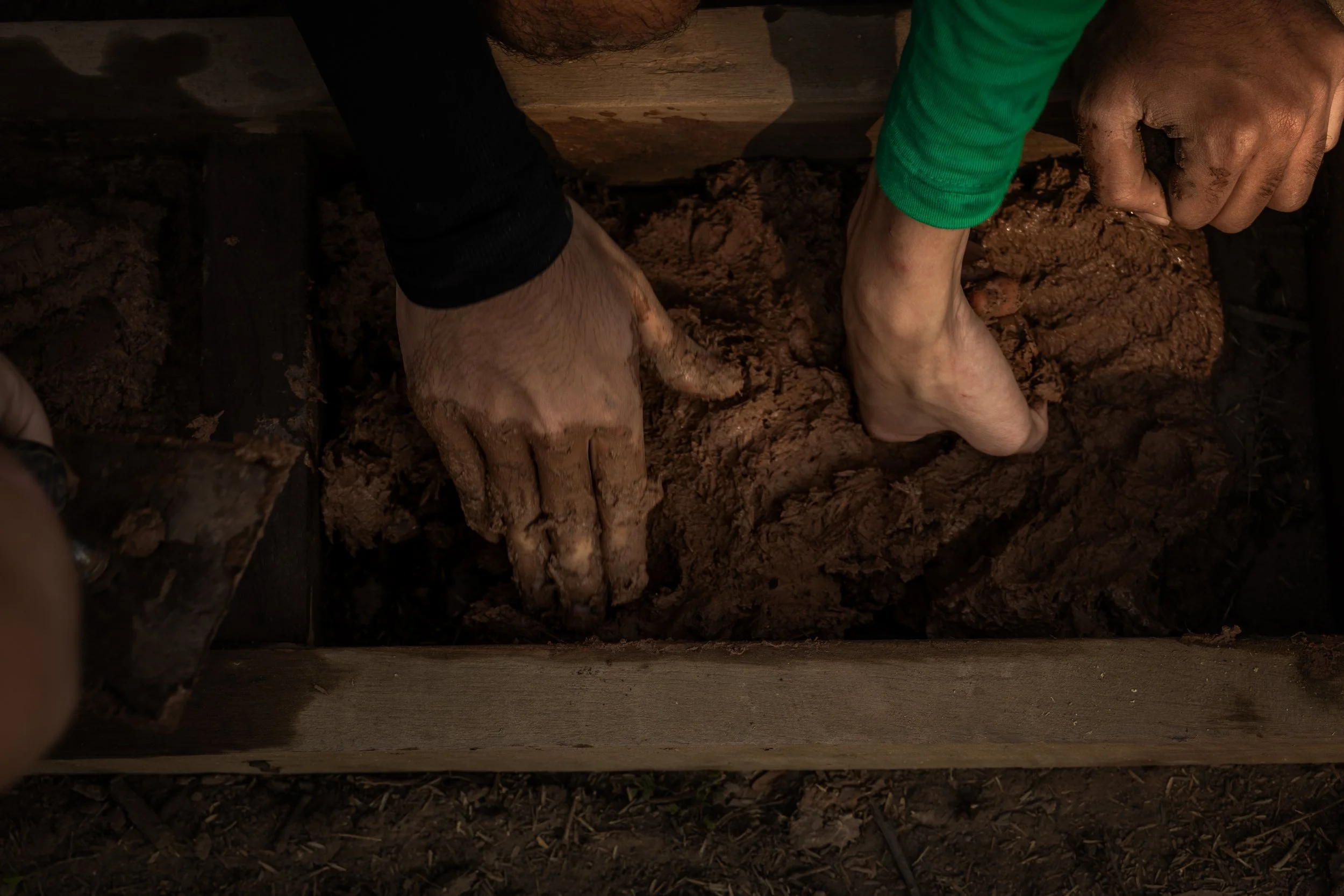
When I visited the school project sites I was able to witness (and even participate) in this collaborative, participatory process firsthand. I asked some of the construction experts from Myanmar what they enjoy about this project, and they expressed how unique it is to be building schools with natural materials - it’s quite different from their usual work which is refreshing to them. I also learned that many of the local workers have children who attend the school, which makes their efforts even more precious and personal to them. They’re building the places where their kids will find safety and belonging - and that’s what makes this project so meaningful.
So why not have the local people to build everything themselves? I spoke with the head of the Thai nonprofit Help Without Frontiers, Pi Ann, to get her point of view on this cross-cultural mud school construction program.
“This is more meaningful because it’s working together - it’s collaboration. It’s also bringing people who are from different parts of the globe to come here and learn about the [Myanmar refugee] situation.”
Everyone involved is contributing and also receiving something invaluable: quality, mind-opening relationships. Pi Ann went on to say about the concept of ‘community’…
“Community doesn’t mean that we have to stay together and be together. Community can be any part of the world where… we understand each other.”
There’s surely a lot to grasp when it comes to the situation at the Myanmar border. It’s not simple, especially for the families affected by the war. But when people come together under a common objective to improve the quality of everyday local life, there will remain a lasting sense of ownership and a rebuilding of shared humanity.
Featured on the website and YouTube channel of Simple Architecture (Jan Glasmeier) - check it out!
Additional Photos