
Can good design provide a sense of security to people displaced from their motherland?
This question followed me through the dirt roads and villages in Thailand’s border town of Mae Sot as I documented the work of two organizations that are creating spaces for refugees. Crossing over from neighboring Myanmar, many families have been forced to flee ongoing civil war between military forces and various ethnic groups. My friends at Simple Architecture and Building Trust International have made it their mission to help these people - despite their traumatizing circumstances - feel like they belong.
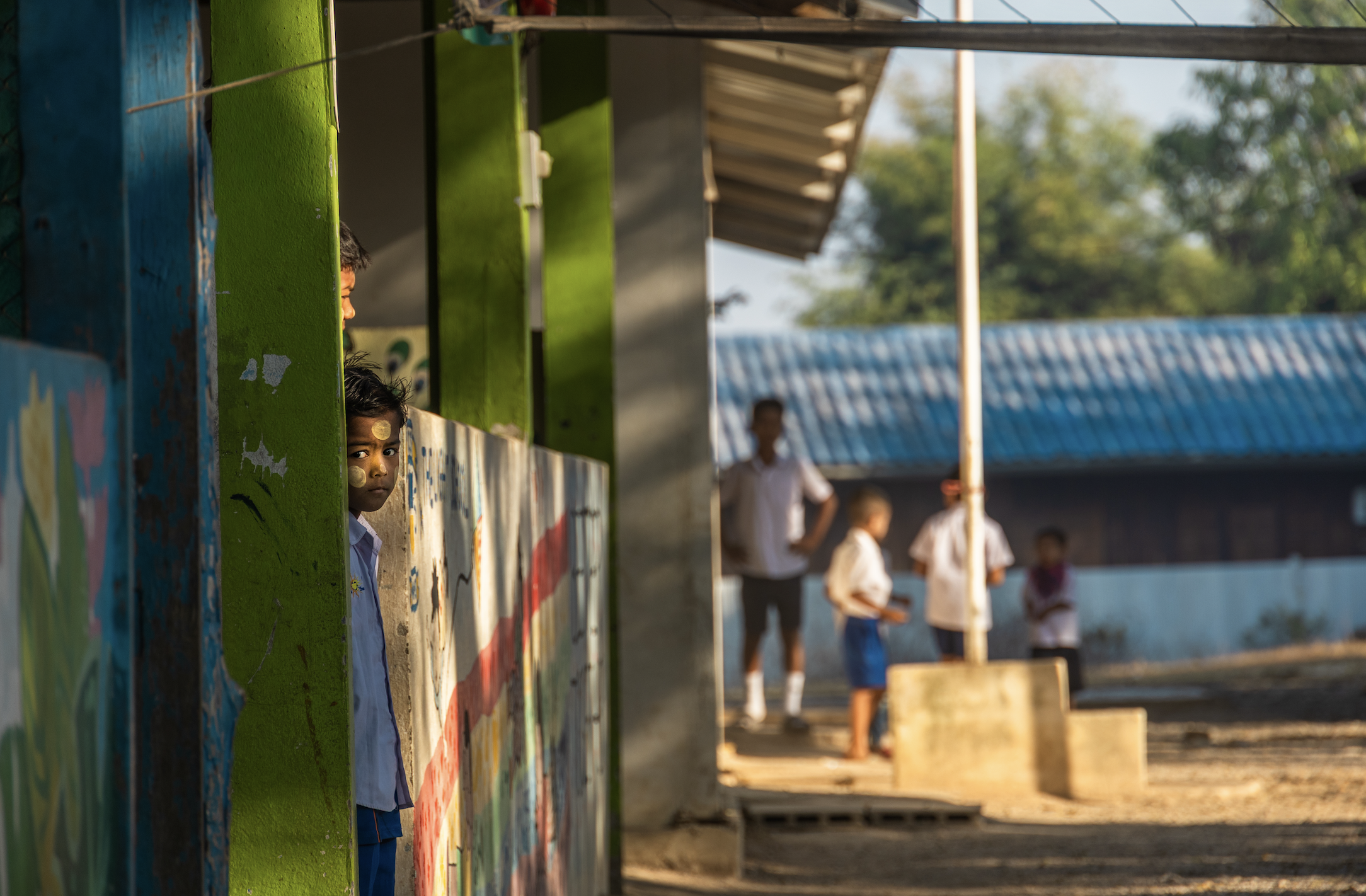
But how does architecture come into the picture of refugee integration? The more time I spent in Mae Sot observing the rural lives of migrants, the more I realized what an impact space and shelter make in people’s lives. Daily rituals like cleaning, cooking, afternoon rest indoors during the hours of peak heat, all take place in buildings designed for people. When those buildings are designed with care and cultural tradition in mind, people feel safe. And when you’re dealing with refugees fleeing violent conflict, that sense of safety is paramount. Design can draw the line between surviving and flourishing, and isn’t flourishing what we all strive for - no matter what our circumstances are?
On one of the job sites of Simple Architecture, a nonprofit led by Jan Glasmeier in partnership with various local Thai organizations, I watched a motivated team of construction workers from Myanmar build a school out of earthen bricks and wood, crafting their own unique identities through the careful arrangement of materials into a stable and sound structure for kids. Laughing and joking together, they made it clear that the work that they do is not just work - it’s social, purposeful, and personal. One of the workers mentioned that his child attends the school they were building classrooms for, so this job was a matter of provision for his family. In another case, I observed a group of young students help carry bricks across the site to contribute to the efforts. Participation in all stages of architecture and construction is what true ownership looks like. And when there is ownership, there is a high chance the space will serve a meaningful purpose.
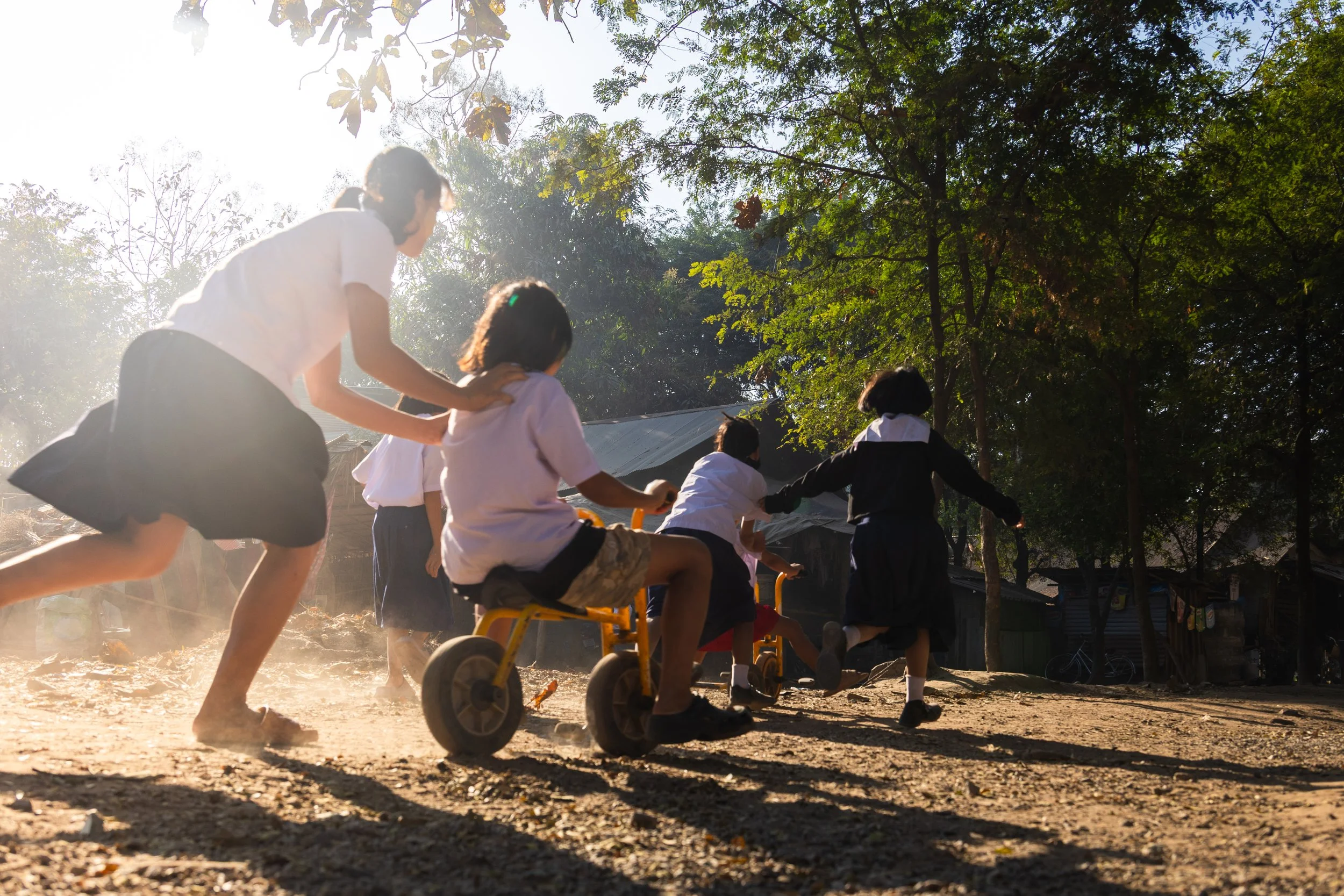
children playing outside the local school
I dedicated some days of my time in Mae Sot to accompanying a contractor named Paul from Myanmar to a few site visits around the region of Mae Sot to see some projects he constructed in the past. We walked through various communities where I could witness what a change these buildings have had on local lives. I photographed several spaces by Building Trust International that were designed to be mobile to accommodate the constant movement of displaced people. When a family has to move around to find a niche for themselves in a country that doesn’t provide ample space for them, their local services like medical care and school need to move too.
Within these movable spaces, people are able to live normal, joyful, and fulfilling lives in structured environments - free from danger or chaos. The scale and form of the buildings are fit for the humans who use them. There is no discrimination.
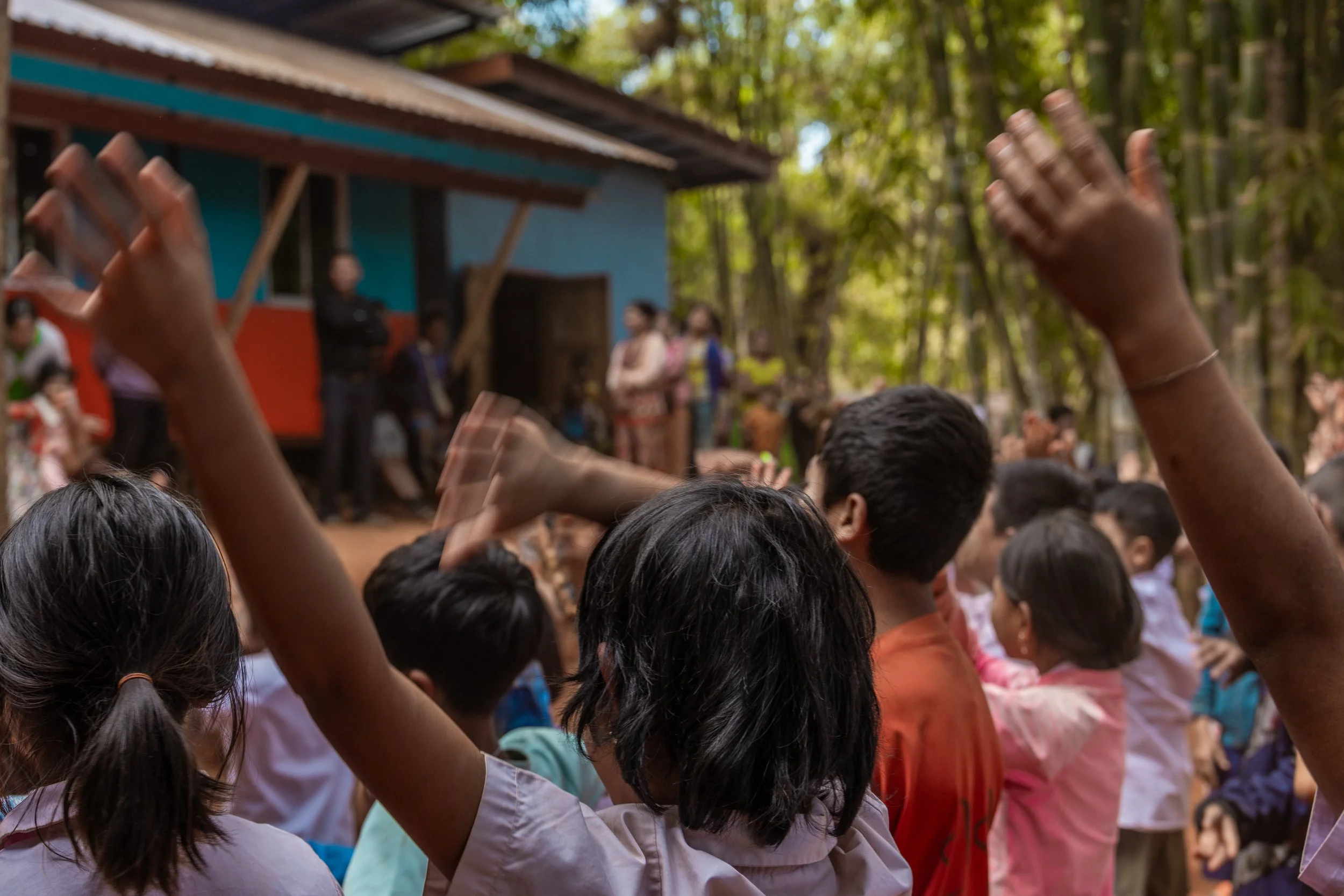
a mobile school in rural Mae Sot
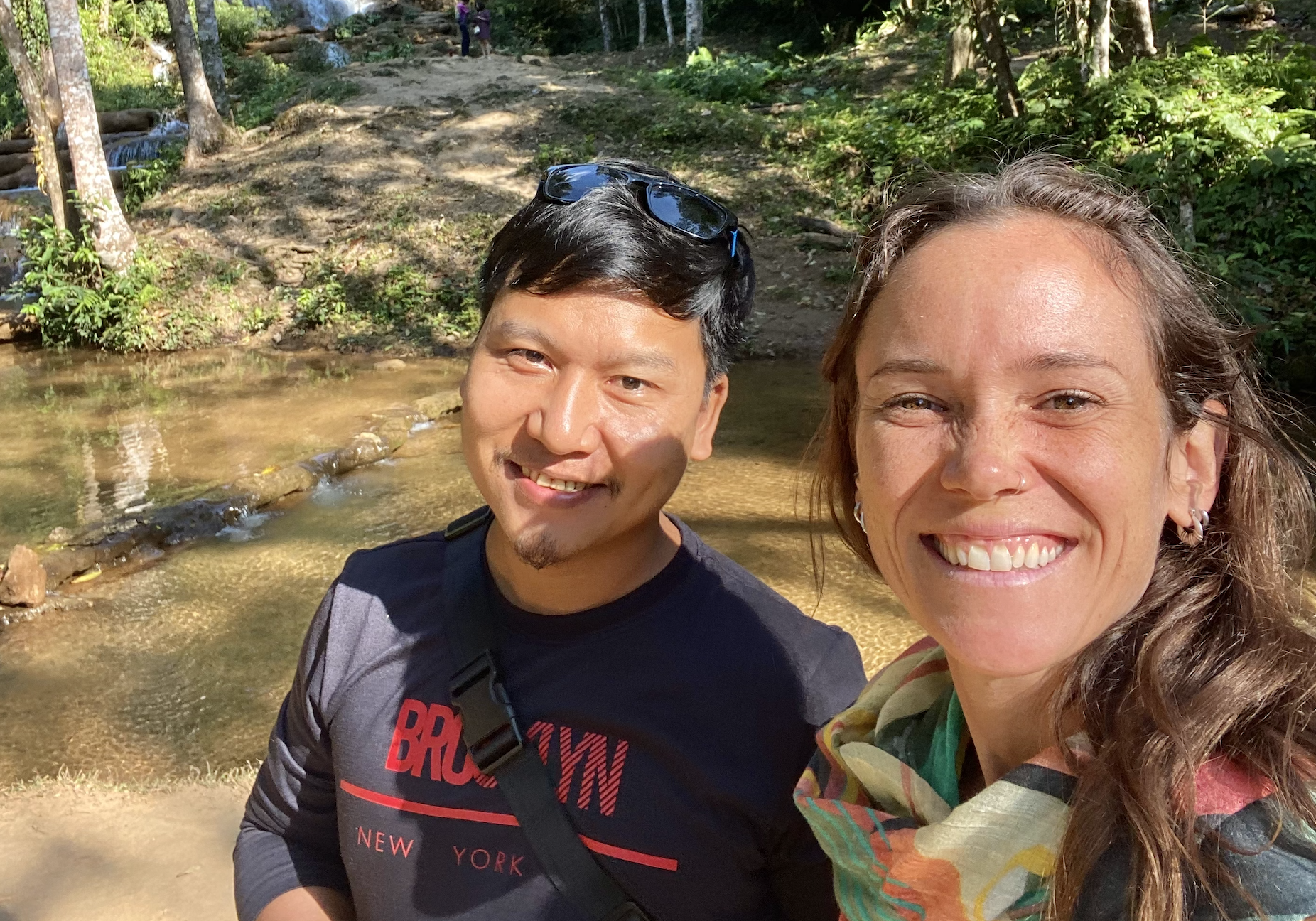
Paul the construction master

good architecture can make a school feel bright and beautiful
I left this place with not only a few gorgeous photos and new friendships, but a deeper understanding of a culture that sits at a crossroads. The Thai borderlands are magical places where traditions collide and create totally unique mixtures of humanity. And yet, unfortunately and paradoxically, they can at the same time be places of resentment and violence.
My weeks in Mae Sot taught me that the pressures of civil war and refugee resettling is much more complex than most people are aware of. I also learned that architecture plays a role that is deeply interwoven in the migrant integration process - especially when only few people feel welcomed. Designing spaces that are welcoming can teach us a lot about empathy, which is currently what the world could use a bit more of.
