Roots, Shoots, and Head Hunters of Northeast India
The larger-than-life festivals of Northeast India had been beckoning to us for months, but my boyfriend Harrie and I were hesitant to take the leap and go. We were in the midst of settling into the new life we were building in Vietnam. However, trapped in our apartment during the height of typhoon season, we realized it might be a good time to take a break from the floods and flee.
So with one month before the infamous Hornbill Festival in the Indian state of Nagaland, we packed our bags and set off from Da Nang to Kolkata to begin our overland journey across the Northeast of India.
It’s quite a lot to cram into a page of writing, but I’ll do my best to capture the essence.
Journey to Nagaland
The train system in India is second to none - an intricately developed work of engineering and a logistical relic of the colonial era. This would be our primary method of transportation around the country. After enjoying a week exploring the winding alleys deep inside the vibrant Muslim quarter of Kolkata, we jumped on a train Northward. Our expedition took us through the lush fairytale lands of Darjeeling, Cherrapunji, and across the tea estates of Assam before landing us in the remote mountains of Nagaland.
Luckily, I happened to have some friends from this region who helped us map our route and connect us with some local organizations we could collaborate with on some projects along the way. So to prepare our camera skills for the festival at the climax of our journey, we did a bit of filming and photographing in Kolkata, Darjeeling, Meghalaya and Assam before we reached our destination in the mountains of Nagaland.
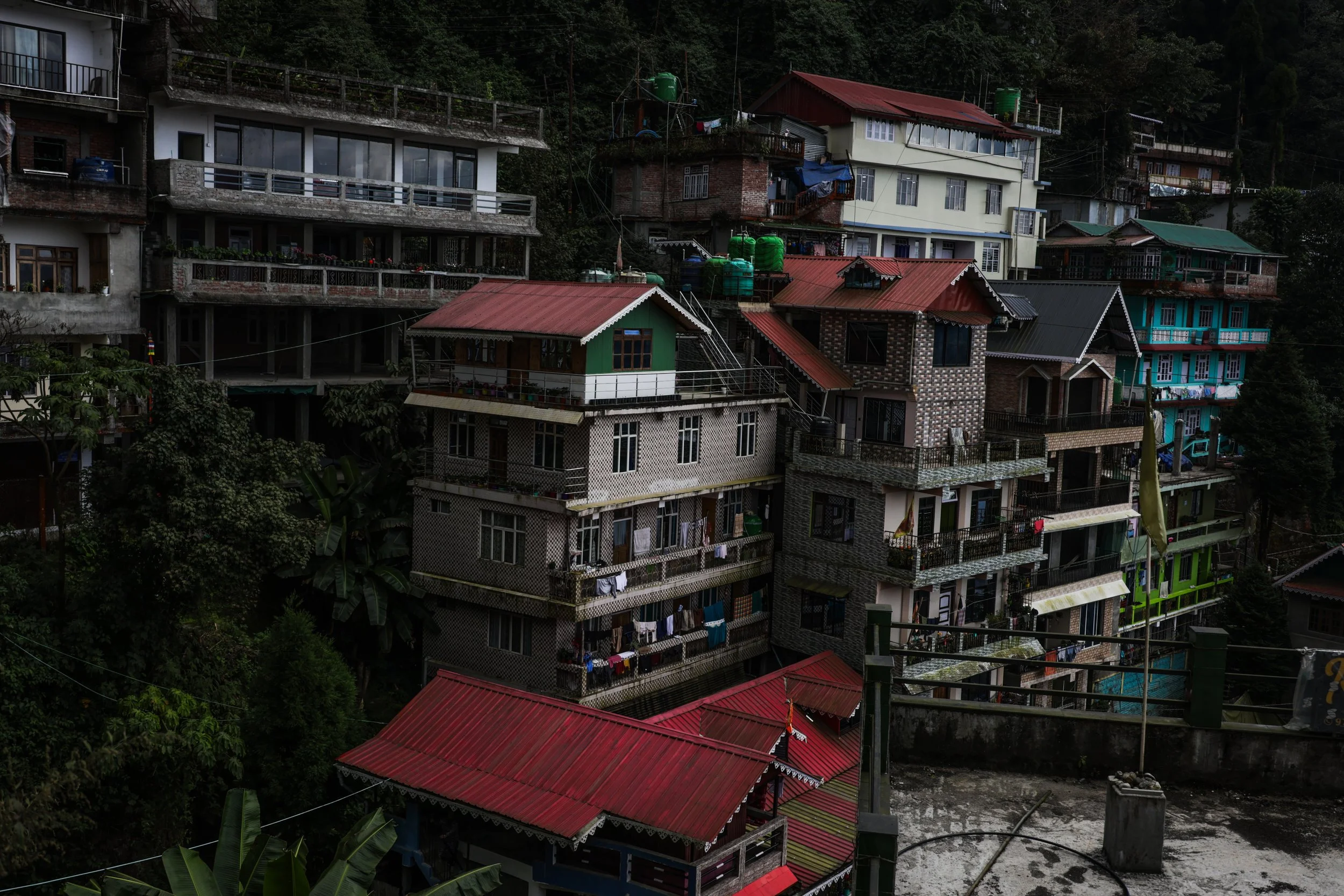
The dense houses of Darjeeling stacked high against the lush hillside.
What surprised me the most about Northeast India was the incredible diversity. The food, the people, the landscapes, the religion, the culture all completely different within hours of moving around. From the quiet foothills of the Himalayas dotted with Buddhist monasteries to sprawling gorges lined by waterfalls and covered in thick rainforest, Everywhere we went, the people were incredibly friendly and open-hearted. I was not expecting to connect so effortlessly with such an unfamiliar place. It reminded me of several different countries I’ve called home in the past, all rolled together into one. I could easily say that this is the most captivating region I have ever visited - and that’s saying a lot!
Unexpected Architecture
When we entered Assam - the self proclaimed gateway to the Northeast - we linked up with an old colleague of mine named Uday. Uday is an architect whose passion lies in social work, community participation, and natural construction. He sat with us and helped us to plan our next moves as we’d continue making our way towards Nagaland for the Hornbill festival. Top of the travel list was the wettest region on earth - Meghalaya.
At first I didn’t recognize it on the map, but eventually I noticed that this was the place where the world-famous root bridges stretch across dense river valleys. Found mostly in the rural villages south of the city of Shillong, these ancient structures were engineered by local communities over generations. People used bamboo scaffolding to guide ficus trees across rivers that were difficult to traverse during the extreme flood seasons, and many of them remain! As a sustainable architecture nerd, I felt I had no choice but to see them myself. So Harrie and I set off on an expedition, motorcycling down the side of a gorge and continuing down 3,000 man-made steps on foot to finally reach these mystical feats of design.
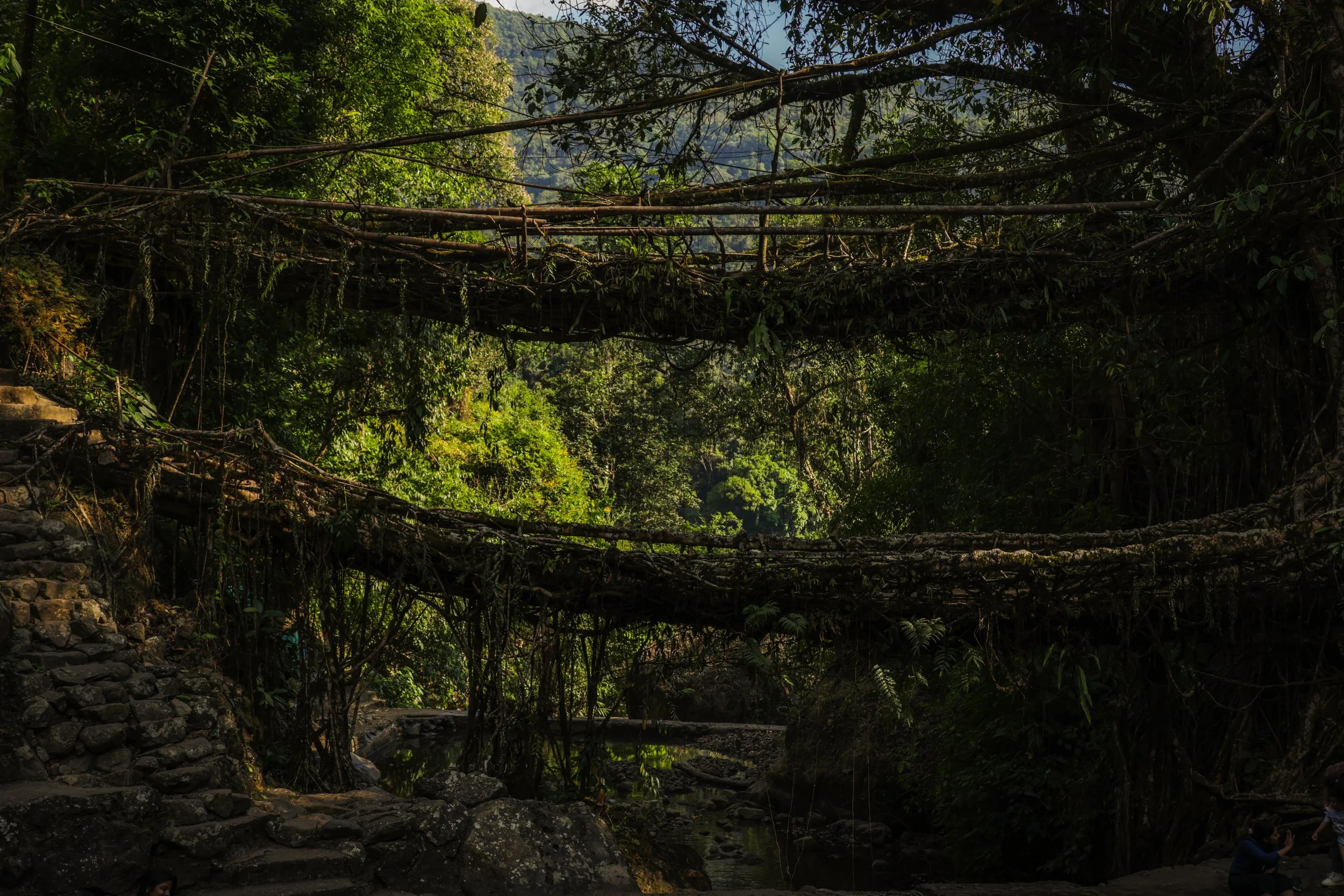
Ancient ficus tree root bridges across a river in the jungles of Northeast India
I didn’t expect to find architectural inspiration in the bottom of a river valley in the jungle, but walking across those bridges felt safer than any modern steel or cable structure in the western world. Go figure! We learned that the tree roots crawl across man-made bamboo scaffolding for generations before connecting naturally over the flowing rivers below, requiring years of patience and precision from the local builders.
Once we had accomplished our mission of exploring the tree bridges and their surrounding region, we headed onward to ‘tea country’ to connect with a more altruistic story. On this leg of the trip, my architect friend Uday accompanied us because he had something special in store…
Bamboozled …in a Good Way
In a remote tea plantation in the East of Assam, we met with a wonderful and inspiring group of local educators who believe that school is more than a place where learning occurs - it is rather a path to freedom and livelihood. For kids growing up with parents working long hours in the tea fields, a sense of belonging and ownership is critically important. So when the community came together to build their own school, they wanted to make it feel extraordinary and special. They did this by using bamboo and other natural materials and colors in creative ways to co-create classrooms with the kids themselves. We spent a day with the kids singing songs and touring around the grounds, and with such a sense of calm and joy in the air I did not once feel like I was at an actual school. I’d write more about our day, but you can just read about it HERE instead.
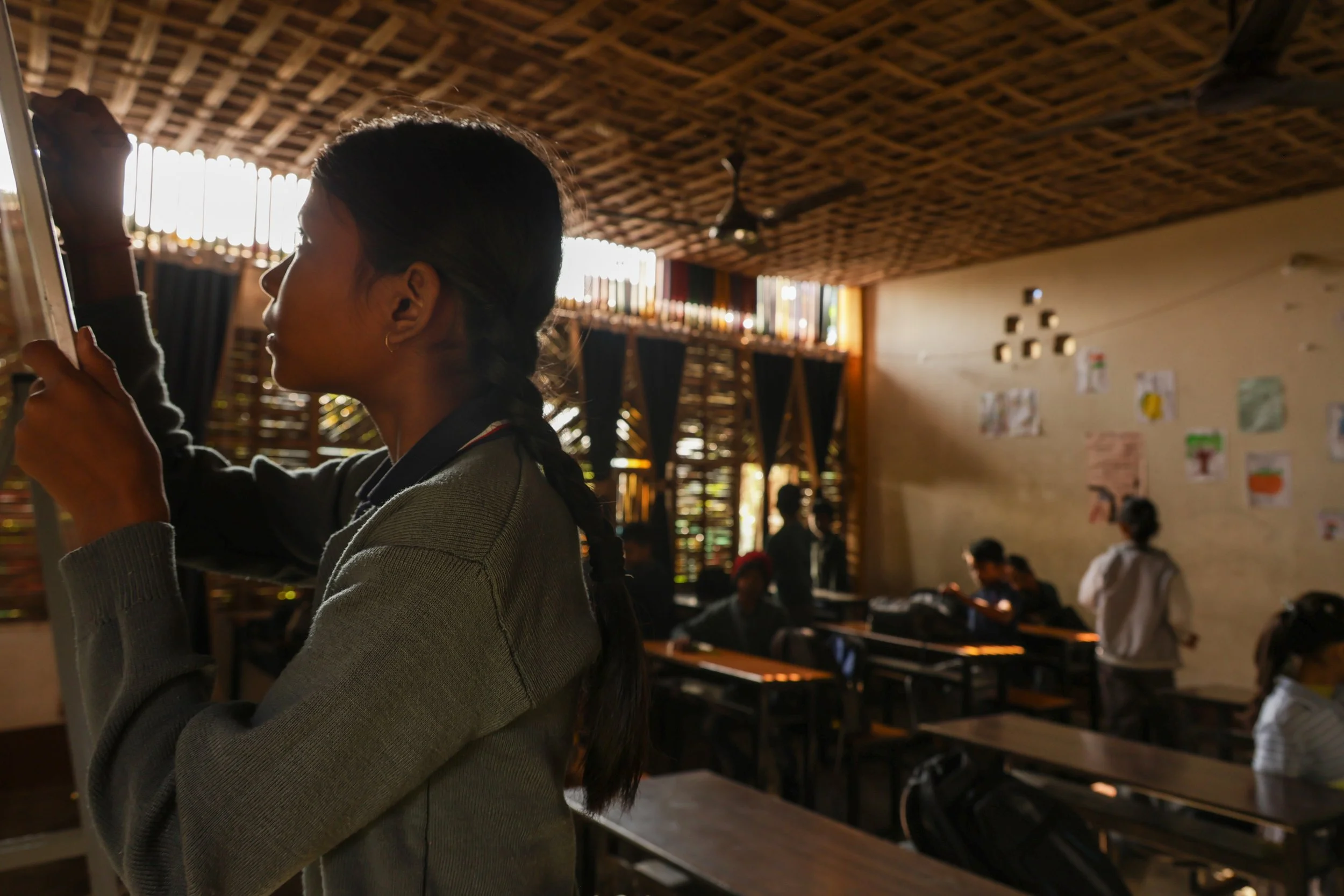
Children take the lead when it comes to learning in this bamboo school, run by Karunar Kheti Trust.
The Festival of Festivals
After days and days of train travel across vast plains, mountains, farmlands and wilderness, we finally reached the border to the Indian state of Nagaland. Any prior experience with Indian culture could never have prepared us for this place. Nagaland is in a league of its own - its natural beauty in the rolling green forests, each hill topped with a small village containing its own distinct heritage and bartering micro-economies. The ethnic and cultural identity of the region is a melting pot of influences from Tibetan, Burmese, Chinese as well as its own indigenous character of colorful clothes and music and dance. Ancient stone monuments mark the entry gates that used to guard each village from raiding headhunters proving their bravery. More recent generations have brought greater peace between the many tribes of Nagaland, enough to bring them all together for an annual showcase of cultural wonders: the Hornbill Festival.
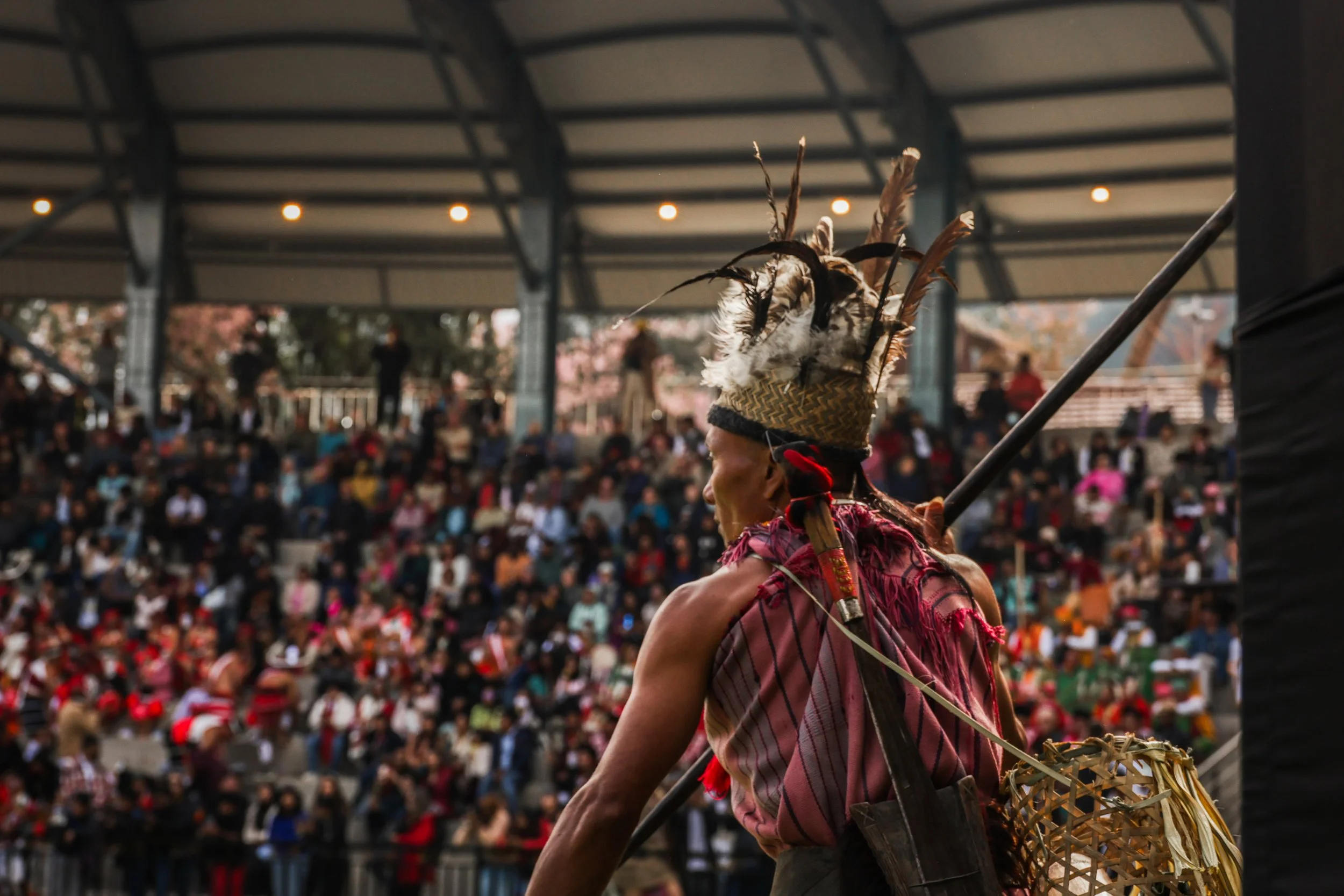
Local tribes perform their traditional dances and reenactments in front of thousands of spectators in the mountains of Nagaland.
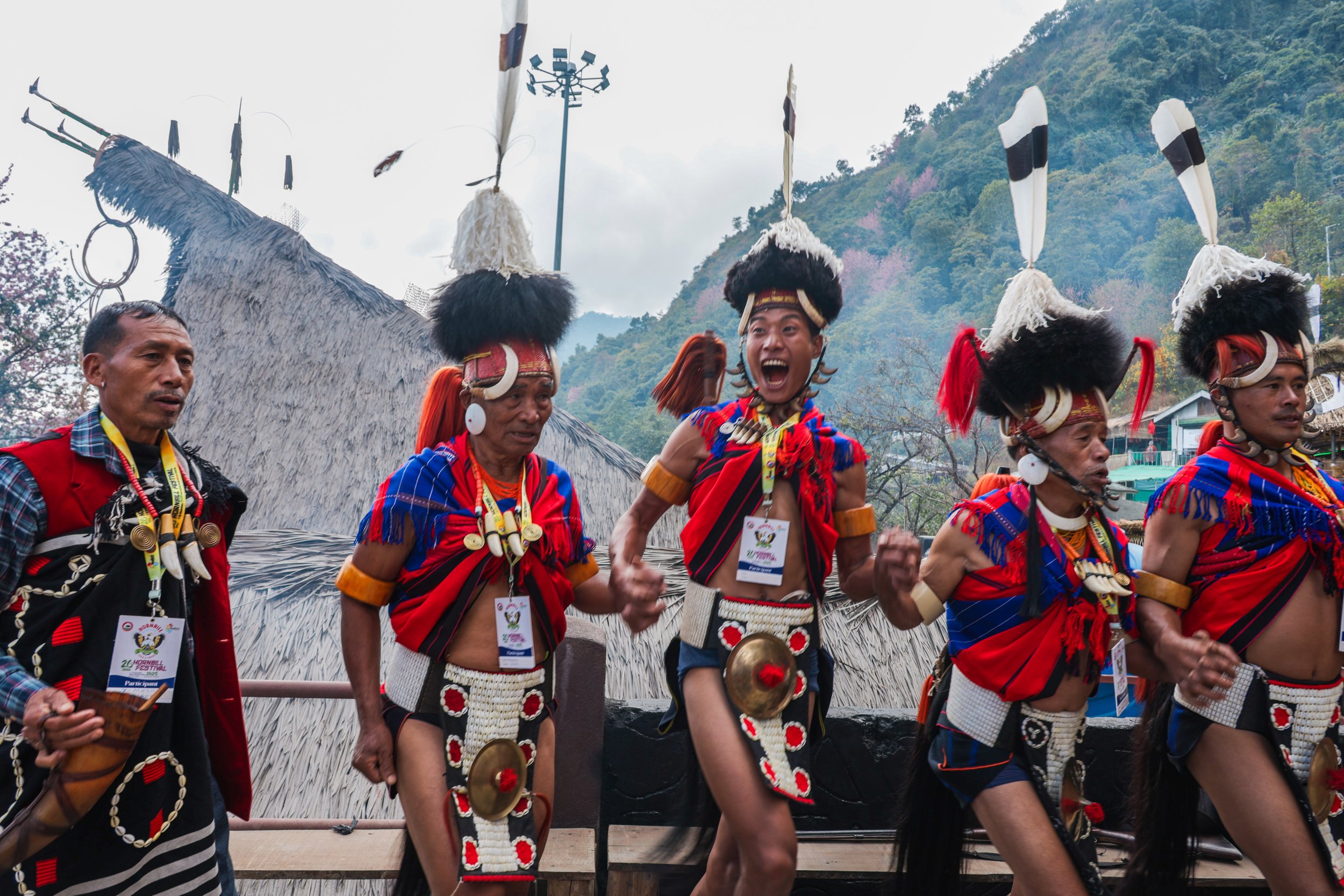
Members of seventeen Naga tribes join hands and dance to traditional music to celebrate their heritage and share their vibrant culture with the world.
Beyond Hornbill
With the help of some fantastic guides from Chalohoppo, Harrie and I settled into our home with a local family in a village called Jakhama for the duration of Hornbill. We were ready to immerse ourselves in the festivities, and more importantly, the daily life of the village itself. It took almost no time for us to be pulled into the rhythms and ceremonies of the village - we were even invited to a wedding. Throughout our time in Nagaland, we entered countless homes, drank more rice beer than we can remember, learned about local life in hours-long conversations with new Naga friends, and soaked in the fullness of the main event. I created a mini-film for our guides as a “thank you” for our stay, so I will let that account of our perspective speak for itself…
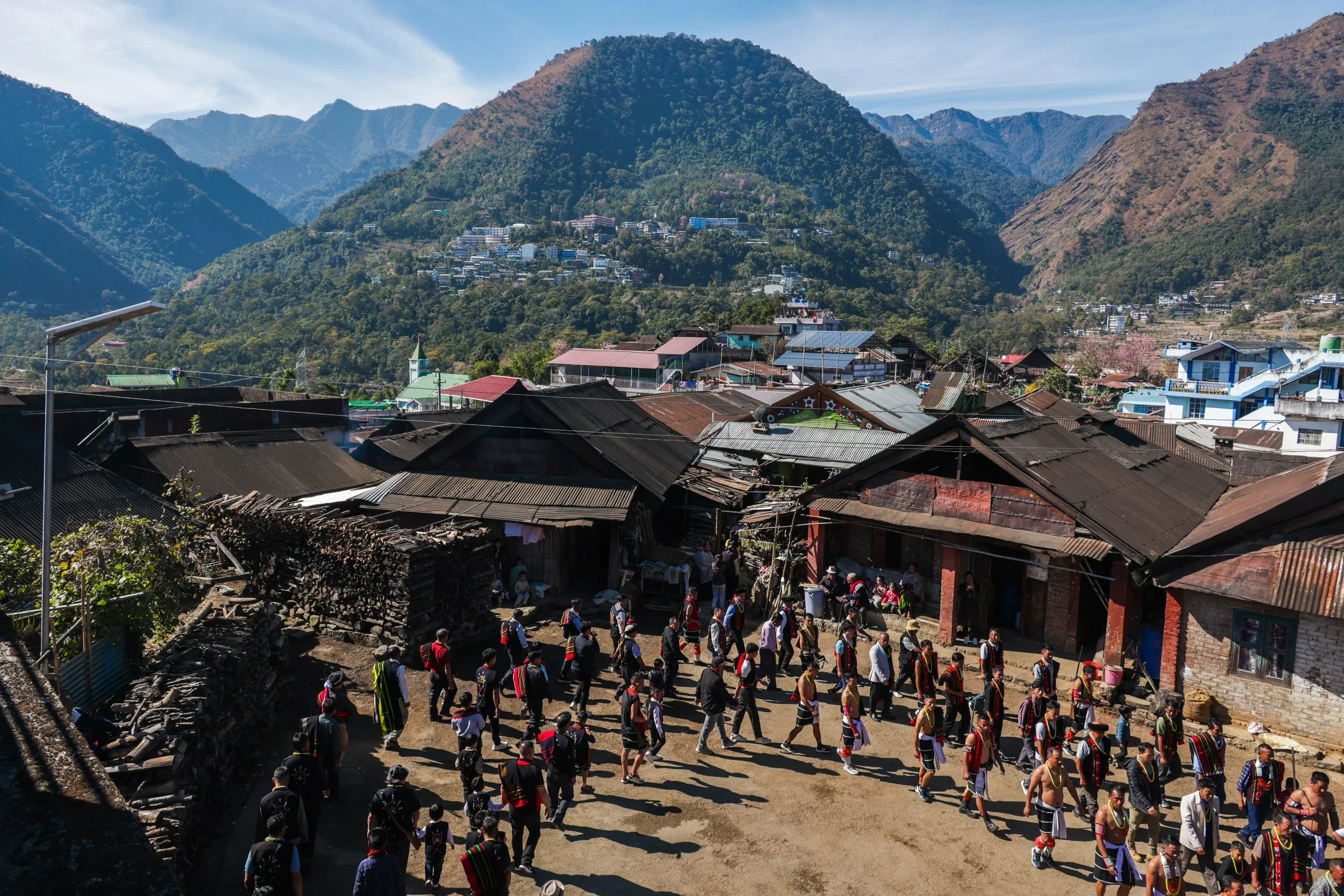
Nagaland was everything I hoped for and so much more. Going in with no expectations opened the door for surprises galore, the most notable of which was how extraordinarily diverse the region is. In India, every province feels like a completely different country. The few that we passed on our way to the Hornbill festival brought us through a range of emotions, experiences, and life lessons that only added to my fascination with the country.
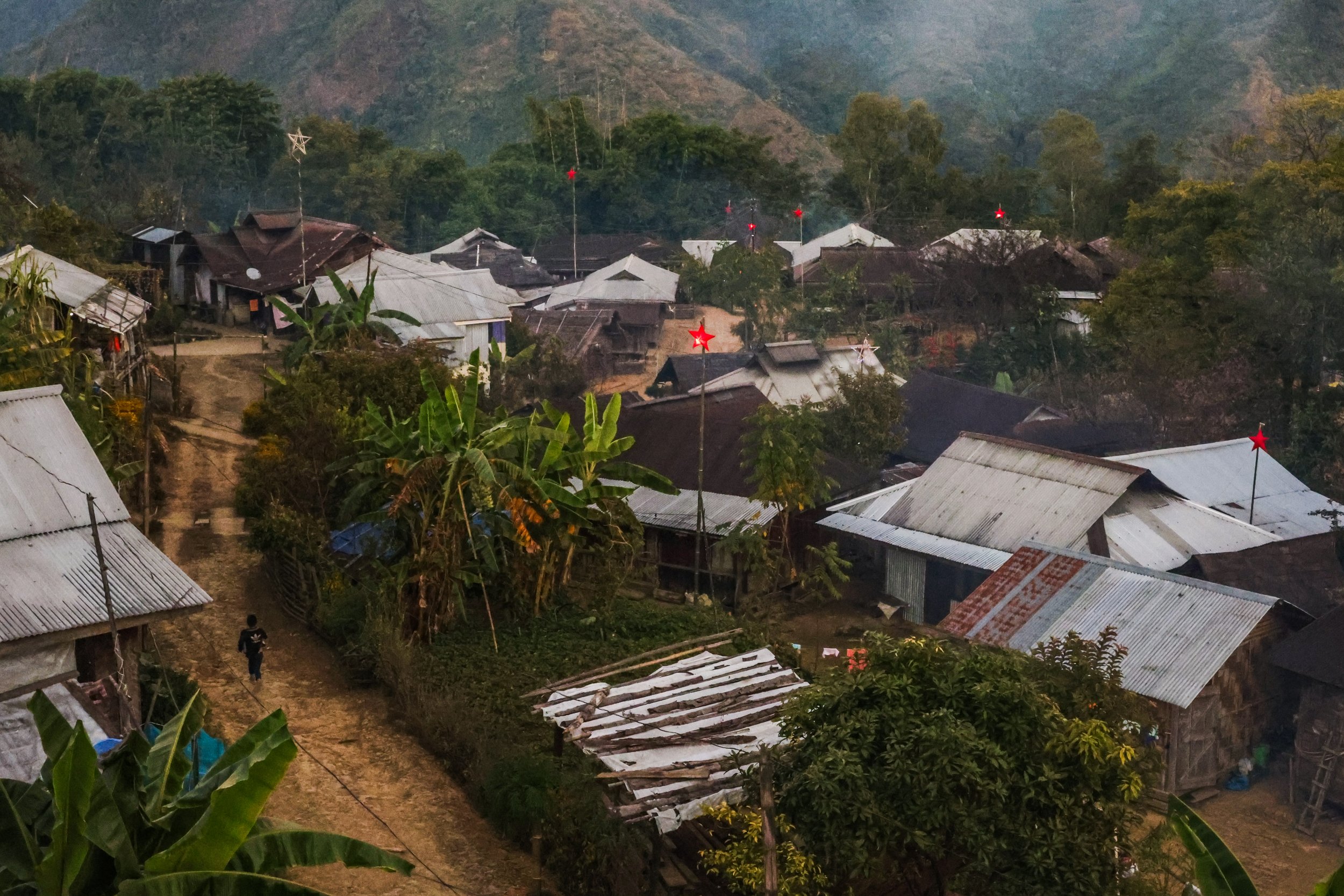
We connected so quickly and easily with every person we met along this journey. Whether it was exchanging stories around a fire or sharing a home-cooked meal, all of our interactions with these people from such different cultures and backgrounds felt effortless. In the final weeks of the trip, the holiday season began to close in, which is a big deal in Nagaland. Even in the remotest of villages, extravagant displays of Christmas lights adorned every traditional wooden house and wrapped whimsically into the fences along the community’s dirt walking paths. The juxtaposition of Christmas magic and remote mountain villages of South Asia dismantled any preconceptions I had of this part of the world, in the best way possible.
And that was the end of 2025.