
In the midst of a “decompression” trip to my Asia home-base of Indonesia to reflect on all the creative expeditions of the year thus far - and to reset my nervous system - I made it one of my goals to explore one place in the country that I have not yet discovered. Being in Indonesia is like coming home for a rest. My whole being exhales, no matter which of the thousands of islands I choose to spend my time on. Sumba island, I thought, was at the top of my list this time.
Usually I approach my expeditions with an anchor project to set the stage for tangential adventures to unfold more organically, but this time I decided to go rogue. I zoomed in on one region of the island on the west coast to begin my immersive cultural investigation and branch off from there. Armed with my camera and a starting point, I flew from the island of Bali to Sumba and threw myself into a totally new environment. The reason why I chose this particular place is more niche and well-researched than a simple appreciation of new cultural experiences (although that itself often remains my primary motivation for traveling no matter where I am). Sumba island is distinctive in that its ancient megalithic history and traditions are among the most tangibly well-preserved in the world. The land is covered in iconic, towering thatch houses that are built to reflect the principles of indigenous Marapu cosmology. It’s some of the most unique architecture in the world, and I wanted to experience it up close.
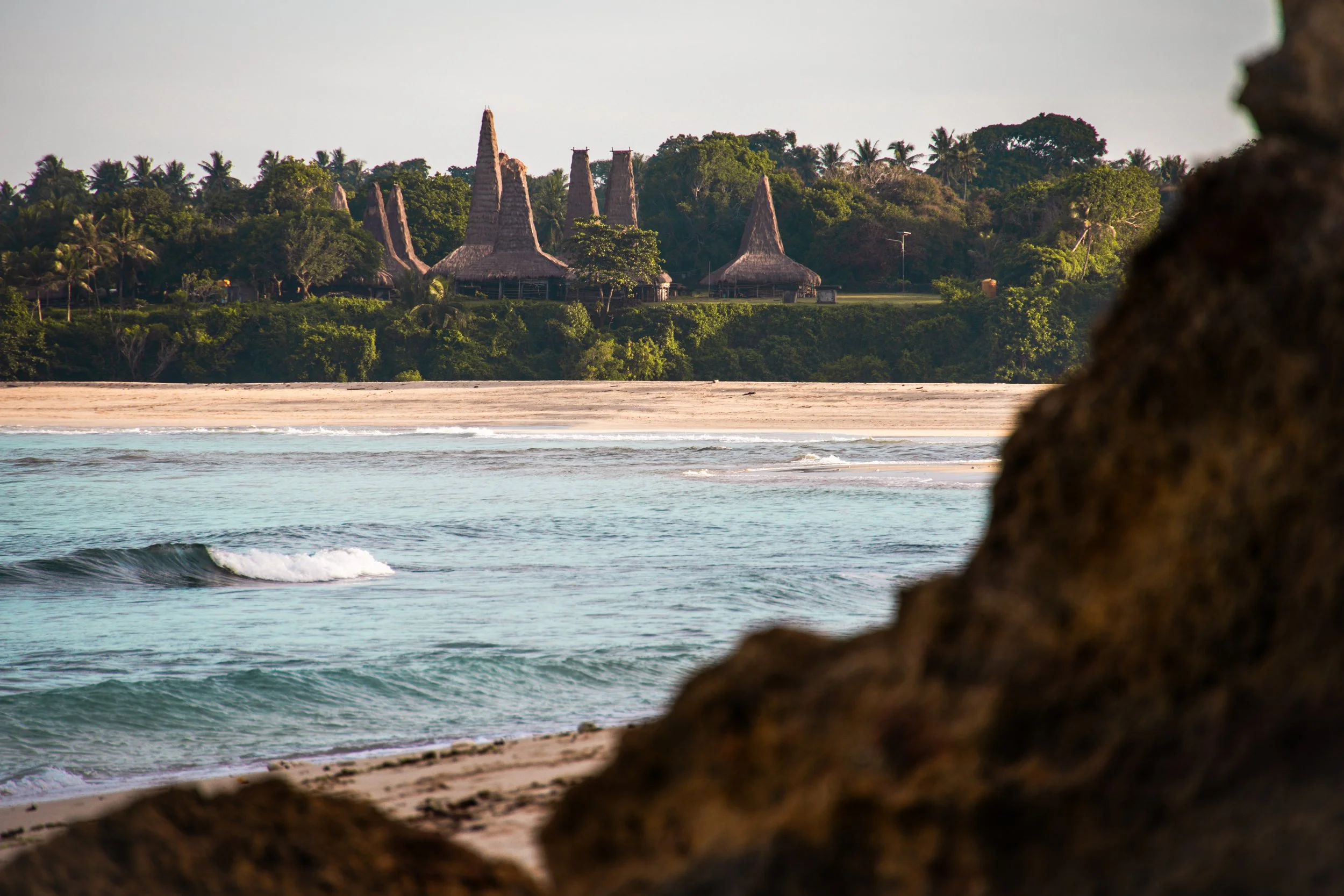
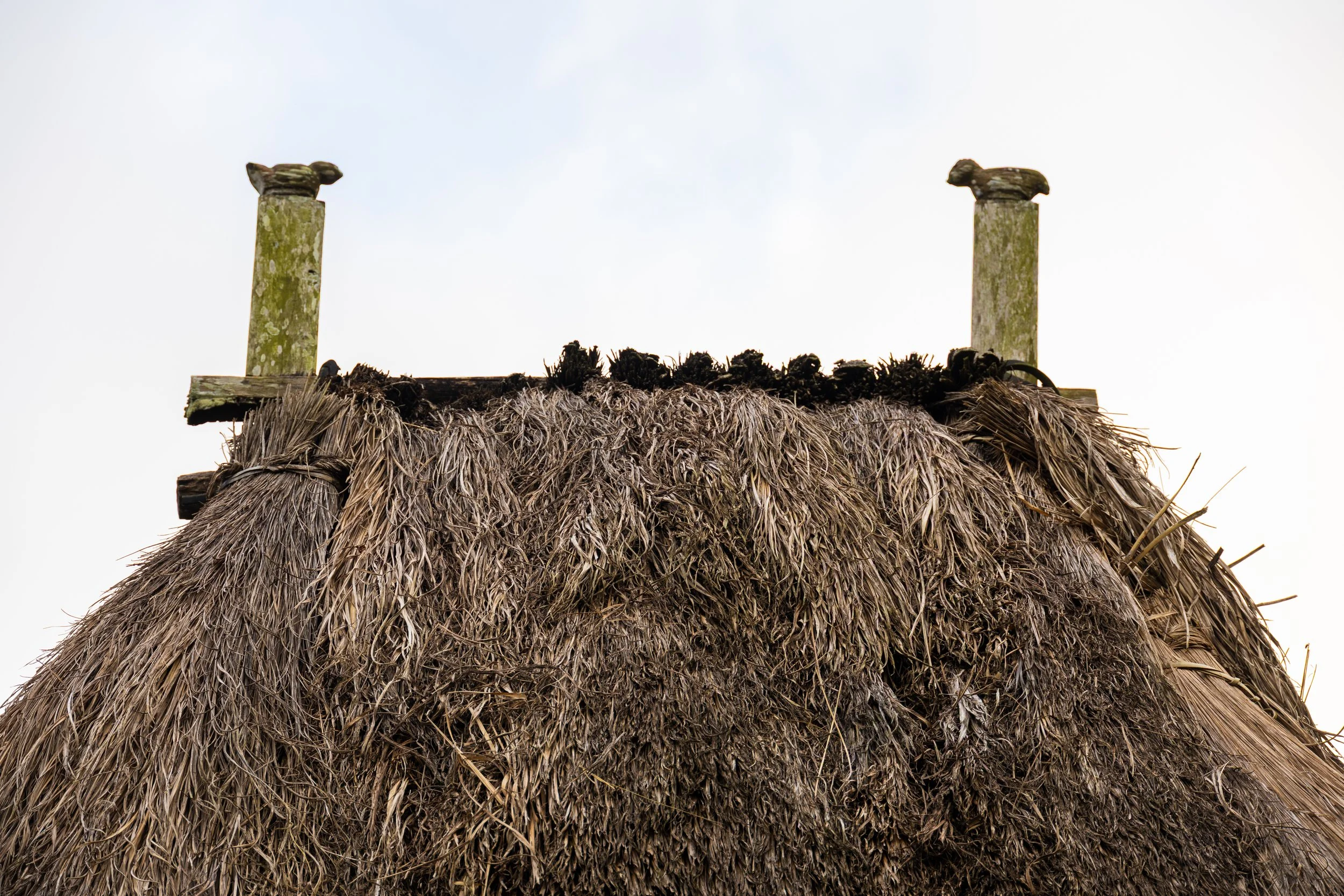
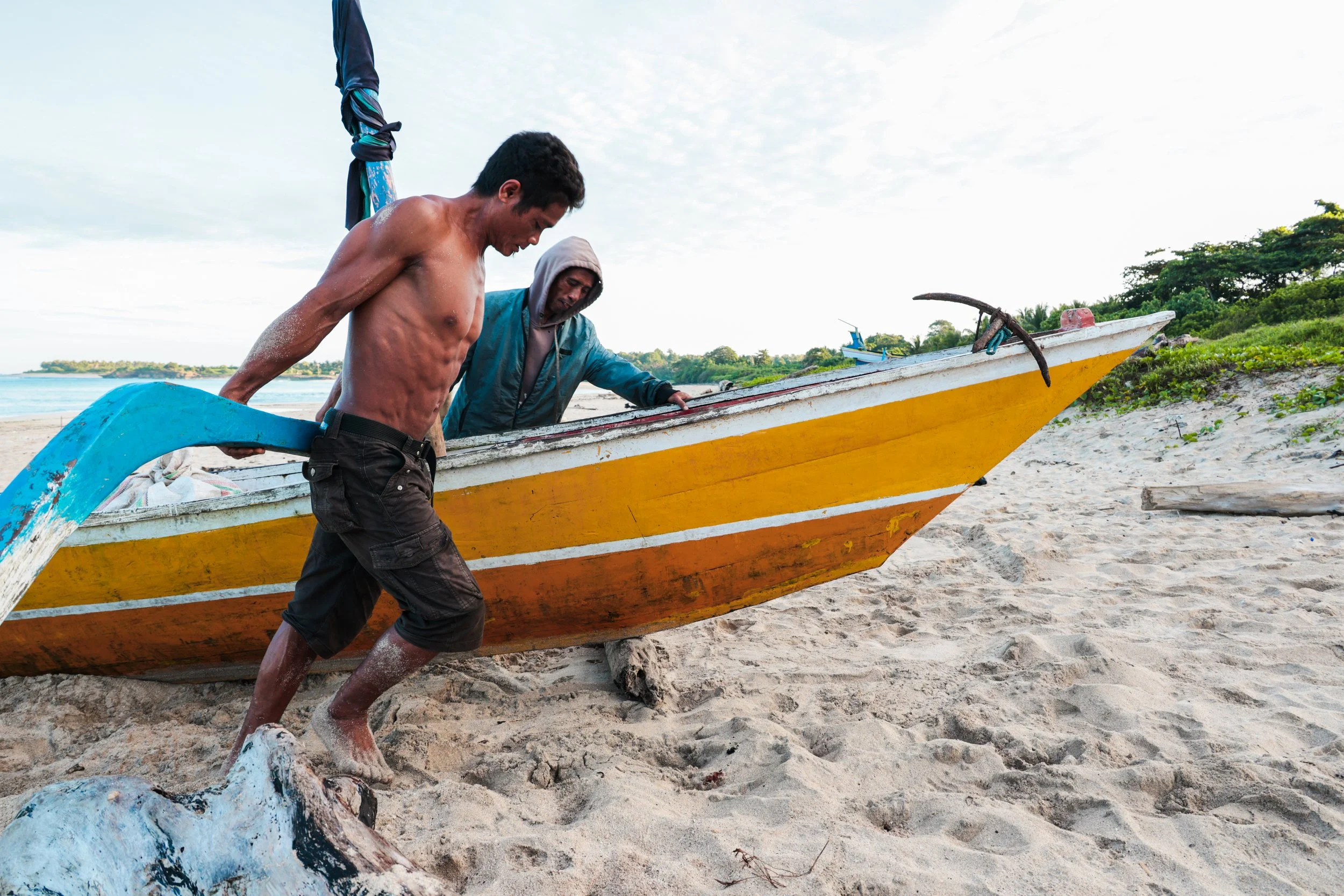
I walked out of the tiny, one-runway airport and rented a motorbike from a local woman. I drove along narrow, empty streets and thought “where are all the people?” The truth is that Sumba’s population is considerably smaller and more dispersed than the islands in the western half of Indonesia, and that made it feel wild and almost uninhabited. I drove 2 hours along the west coast to a small village that I knew would have a place for tourists to stay. A small campsite was nestled in a coconut grove near a group of giant Marapu traditional homes, and I had arranged to stay there my first few days to get acquainted. I was quickly introduced to local residents of the village and pulled into their daily lives - pushing the fishing boats onto the shore, playing soccer with crowds of children, and having lovely chats with young women over cups of sweet instant coffee.
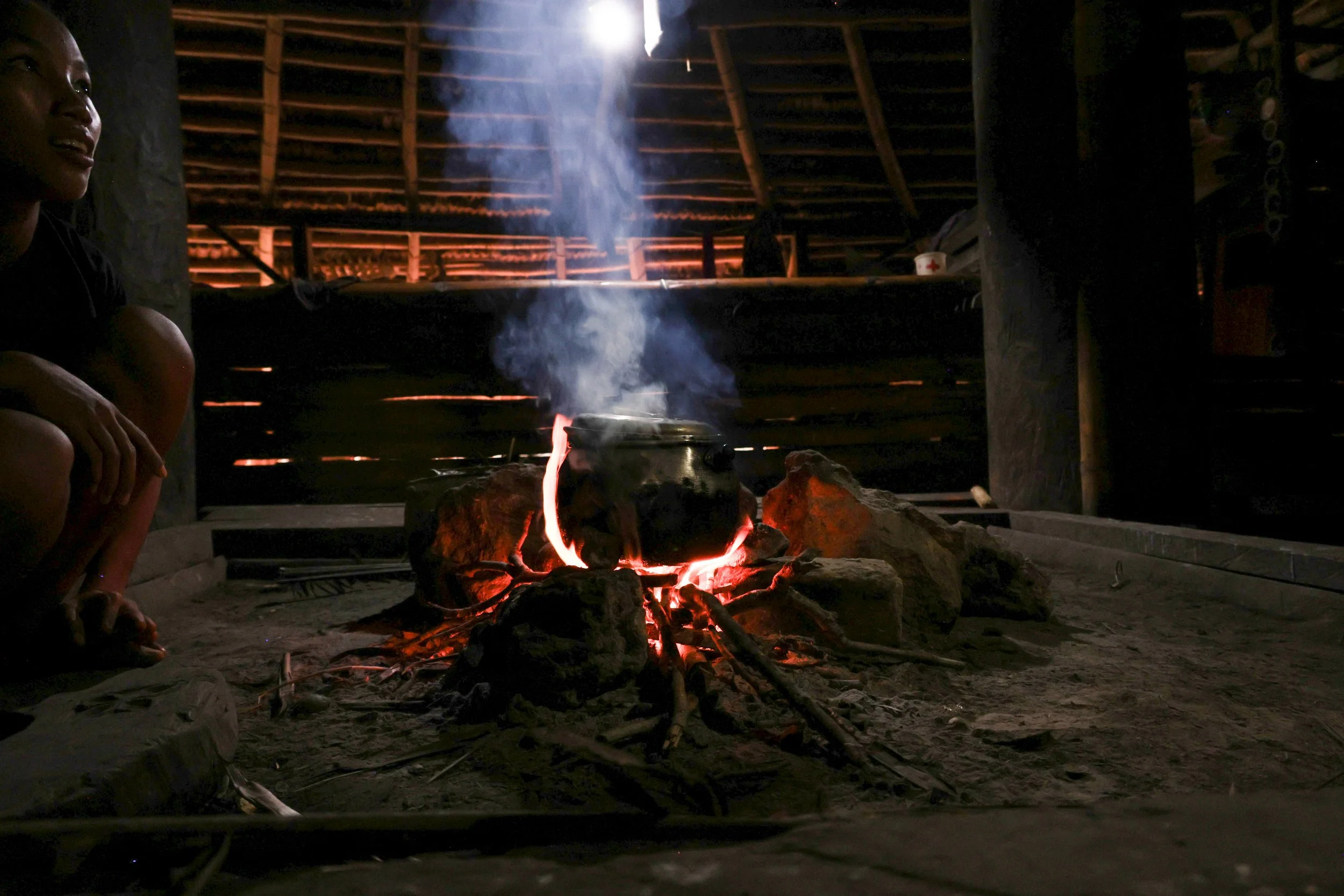
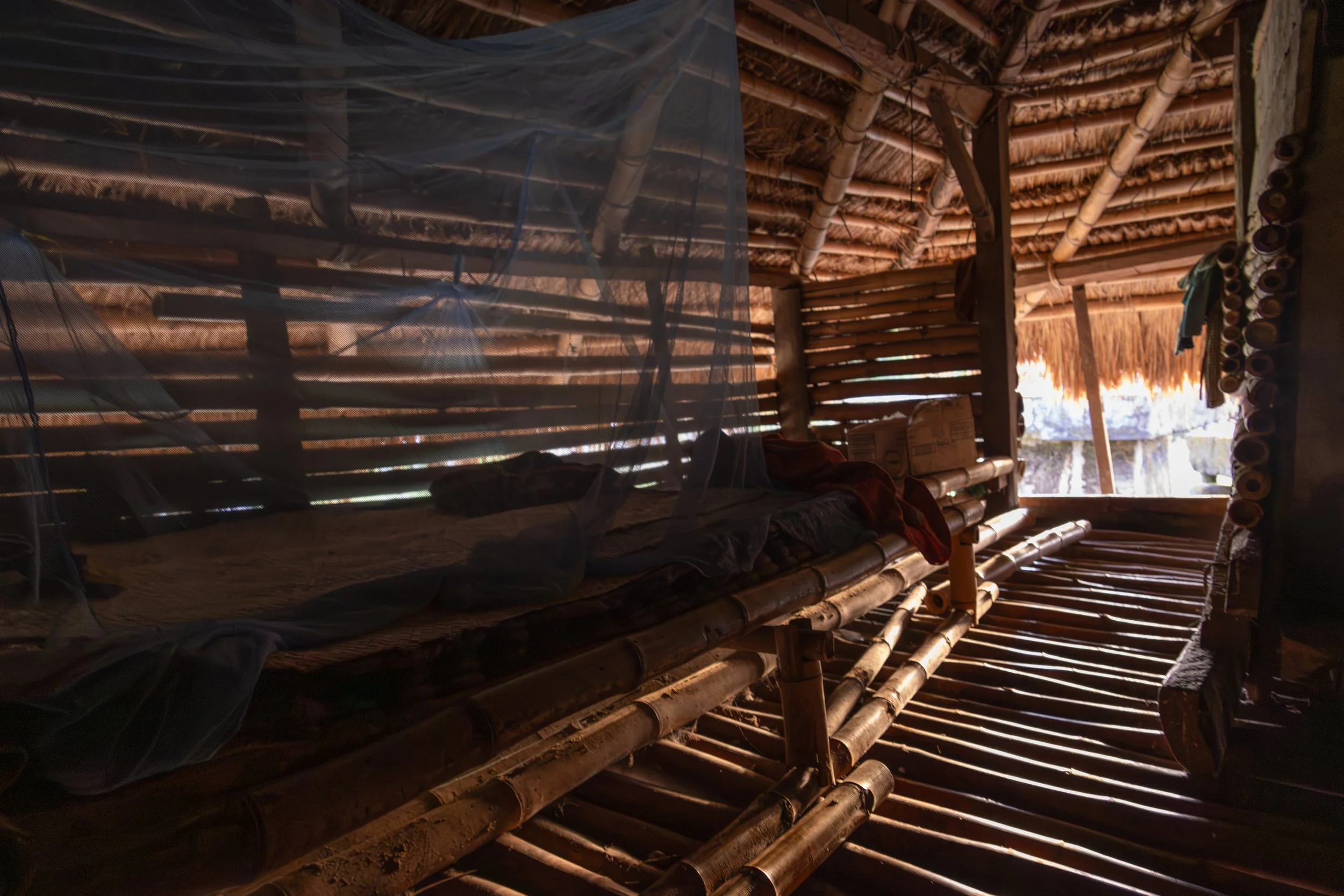
One day I asked a local family if I could stay the night in their traditional house, and they graciously accepted, laying one extra bamboo mat next to their teenage daughter’s sleeping place. I wanted to know what it feels like to wake up inside one of those gigantic bamboo structures, even just once. After a rudimentary chat with the local family, translating my basic Indonesian into their native Sumbanese through one of their children, we all went to bed. I slept soundly, only to be woken just before sunrise from rooster crows and pig snorts coming from below the bamboo floor. The family gathered around a central fire that was lit between the four huge pillars that hold up the structure and waited for the morning water pot to boil. They keep water on the fire at all times for various uses throughout the day, so that central gathering space was clearly a vital part of their day. As the sun comes up, fishermen go out to collect their daily catch and then the whole family brings it in together like a ritual. Adults go to the farms and gather vegetables, socialize with their neighbors, and keep an eye on their kids playing in the fields. Life in Sumba is slow most of the time - but every once in a while the island erupts in wild, frenzied energy for their annual horse-mounted war games of Pasola (which unfortunately I was not able to witness during my stay).
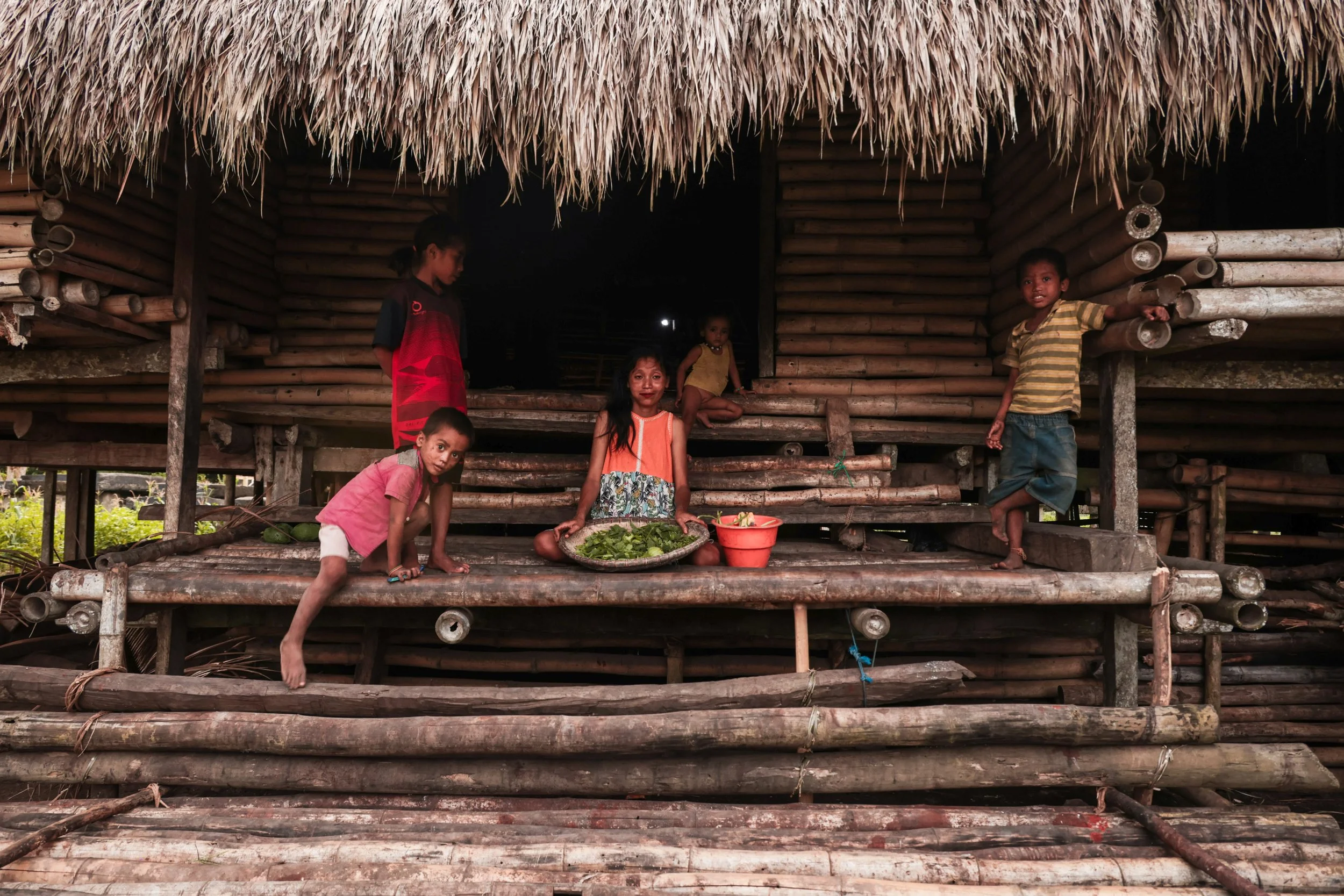
I zigzagged around the western half of the island on my motorbike, stopping over whenever I came across one of the many in-tact traditional villages or an active marapu construction site. The end of the roads always led to a pristine beach with a few fishing huts and horses left to graze. I’d take walks along the stretches of sand, chatting with local people about their villages and ways of life. Knowing the Indonesian language helped a lot with my interactions, as about half the people I met spoke the country’s national tongue in addition to the island’s local dialect. No matter what language they spoke, though, it was always a pleasant exchange. The culture is extremely laid back and friendly - I would even describe many as quite eager since seeing outsiders is still a bit of a novelty.
As I ventured around, I came across hundreds of well-preserved, traditional villages with their imposing bamboo structures around every turn. Communities within them were weaving fabrics, cooking over fire, carving wooden figures, and tending their animals as they’ve done for many, many generations. As one of few foreign visitors to these villages, I’d often find myself being followed by curious children. I would start speaking Indonesian to them, which would ignite their energy into a frenzy of questions and invitations to play whatever games they were engaged in. Both children and adults were friendly as ever, making me feel at ease everywhere I ventured within this little island paradise.
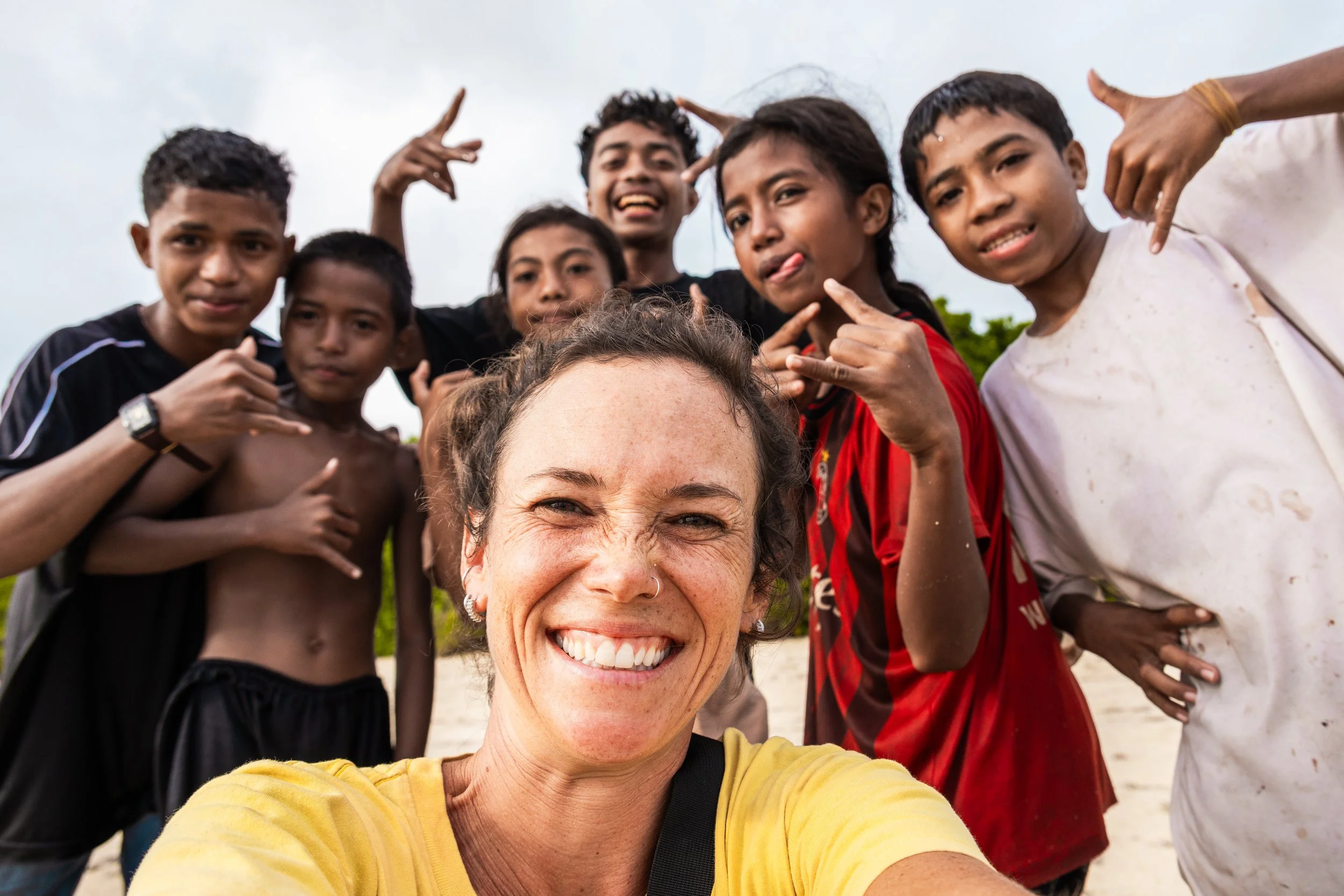
There are few places that lead me to question whether I could live a happy life there forever. Sumba is one of those places. The incredible architecture, the lush rolling landscapes, the one-of-a-kind ancient culture that’s embedded as deeply now as it’s been for thousands of years, and the kind families that immediately welcomed me in - all these things made Sumba feel like a special place that I wanted to attach myself to. I left feeling a belonging that I’ve only felt in few places, and a peaceful knowing that I’d be back someday soon.
My nervous system got the reset it needed. It was time to return to my beloved in his motherland of England and together embark on one of the most roller-coastery summers of our lives.
